
What Are Biomass Wood Pellets?

What Are Biomass Wood Pellets? Here’s a Beginner’s Guide to this renewable fuel.
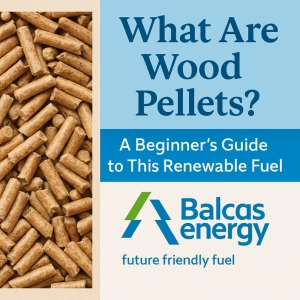
What Are Biomass Wood Pellets

Wood pellets are one of the UK’s fastest-growing renewable heating solutions. They’re small, powerful, and made entirely from natural wood waste. This guide explains what wood pellets are, how we make them, and why more people are using them each year.

Whether you’re curious about biomass heating or just exploring cleaner fuel options—this beginner’s guide is a great place to start.

What Exactly Are Biomass Wood Pellets?

Biomass wood pellets are small, dense cylinders made from compressed wood waste. Each pellet is typically 6–8mm wide and around 10–30mm long.

We form them by applying high pressure to sawdust and wood shavings—no glue or chemicals added. The natural lignin in the wood binds the material together.

This makes them an efficient, clean-burning fuel for heating and cooking. Wood pellets are uniform in size, which helps ensure steady, reliable combustion. They’re popular in homes, schools, and businesses across the UK.

How Are Wood Pellets Made?

The process starts with waste wood—mainly sawdust and shavings from sawmills or timber production. We dry the raw material to remove moisture, then finely ground. We then compress it at high pressure through a die to form uniform pellets.

The heat from compression activates the wood’s natural lignin, binding the material together. We use no glues, additives, or chemicals.

We cool the finished pellets, screen them for dust, and pack them for delivery. They’re then distributed across the UK in bags or bulk, ready for use.

What Are Wood Pellets Used For?

Wood pellets are mainly used for heating homes, schools, and businesses. They power pellet stoves, biomass boilers, and central heating systems. Some commercial buildings use them to meet renewable energy targets.

Wood pellets also work in pizza ovens and outdoor pellet grills. In farming, they’re used in drying systems and animal bedding too.

They provide a versatile, low-carbon alternative to oil, gas, or coal. This makes them popular in rural and off-grid locations across the UK.

Are Wood Pellets Environmentally Friendly?

Yes—wood pellets many experts consider them a low-carbon, renewable fuel. They’re made from waste wood, not cut from living trees. This helps reduce reliance on fossil fuels and lowers overall emissions.

Pellets produce less carbon dioxide than coal, oil, or natural gas. Burning them releases carbon already absorbed by trees during growth.

When you source them sustainably, pellet use supports responsible forestry and woodland management. They also produce minimal ash and burn cleanly in modern systems.

How Efficient Are Wood Pellets?

Wood pellets burn hotter and more efficiently than traditional logs. Modern pellet boilers and stoves reach efficiency levels of up to 90%.

Their low moisture content means more heat is produced per kilogram. This reduces waste and ensures consistent energy output every time.

Pellets produce very little ash, making maintenance easier and cleaner. The steady burn rate also helps maintain even room temperatures. This makes them ideal for homes wanting reliable, cost-effective heating.

Types of Wood Pellets

Wood pellets vary by quality, material, and intended use. ENplus A1 pellets are the highest quality standard in the UK and Europe. They’re low in ash, moisture, and dust—ideal for domestic heating systems.

Pellets may come from hardwood, softwood, or a blend of both. Softwood pellets often burn hotter but may produce slightly more ash. Hardwood pellets burn longer and provide a steady, slower heat release.

Always check the certification and origin before buying pellets for your home. Using poor-quality pellets can reduce efficiency and damage your appliance.

How do we Deliver Wood Pellets?

We deliver wood pellets in bags or bulk, depending on your setup. We supply bagged pellets in 10kg bags, stacked on pallets. They’re ideal for manual loading into stoves or hoppers.

We make our bulk deliveries using blower trucks that fill a storage unit directly. This option suits homes with high pellet usage and large storage space. You’ll need a compatible camlock fitting and good access for the lorry.

Both delivery options are available across the UK from trusted suppliers.

Storing Wood Pellets Safely

Wood pellets must stay dry to burn efficiently and safely. Moisture causes pellets to swell, crumble, and become unusable.

Store bagged pellets off the ground in a dry, well-ventilated space. Use a shed, garage, or utility room with minimal damp or drafts.

Bulk pellets need a sealed, ventilated hopper or pellet silo. These storage units should be waterproof and fitted with correct delivery fittings.

Good storage extends pellet life and ensures clean, reliable burning. Check pellet quality regularly and keep the area free from moisture or pests.

Who Uses Wood Pellets in the UK?

Wood pellets are a popular fuel for many households, farms, schools, and small businesses. They’re popular in rural and off-grid homes needing reliable heating.

Many UK schools and public buildings use biomass systems powered by pellets. Farmers use them for grain drying, space heating, and animal bedding. Hotels and holiday parks choose pellets for sustainable, low-maintenance heating.

Government incentives like the Renewable Heat Incentive (RHI) encouraged wider adoption.

Pellets offer a clean, local fuel source that supports energy independence. More UK homes switch to pellets each year for cost and environmental benefits.

Why Choose Wood Pellets?

Wood pellets are a clean, efficient, and renewable fuel for heating. They’re easy to use, widely available, and made from natural wood waste.

Whether you’re heating a small home or a large building, pellets offer a smart solution. They burn cleanly, cost less than oil, and reduce your carbon footprint. With proper storage and the right appliance, they deliver reliable heat all year round.

If you’re considering a greener heating option, Balcas Energy wood pellets are a future-friendly choice. Contact us today to order or for more information.

FAQs About Biomass Wood Pellets

1. What are biomass wood pellets made from?

We make biomass wood pellets from compressed sawdust, shavings, and timber by-products, using natural lignin as a binder.

2. Are biomass wood pellets renewable?

Yes. Pellets come from sustainably managed forests, and the carbon released during burning is reabsorbed by new tree growth.

3. How efficient are biomass wood pellets as fuel?

Biomass pellets burn with over 90% efficiency in modern stoves and boilers. They provide steady heat with minimal waste.

4. Where are biomass wood pellets used?

You can use them in residential stoves, commercial boilers, and large-scale power plants, often replacing coal and oil as cleaner alternatives.

5. Why choose Balcas Energy biomass wood pellets?

Balcas Energy pellets are ENplus® A1 certified, produced sustainably, and we manufacture using renewable energy for reliable, carbon-neutral heating.

About Balcas Energy

Balcas Energy is one of the UK’s leading manufacturers and suppliers of ENplus® A1 wood pellets, providing sustainable heating solutions across the UK and Ireland.

📍 Enniskillen, Northern Ireland

☎ 028 6632 3003
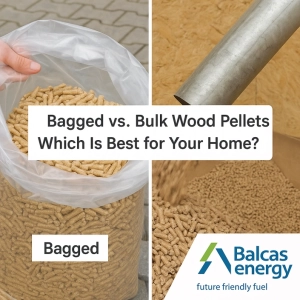
Should you buy bagged or bulk wood pellets?

Bagged vs. Bulk Wood Pellets: Which Is Best for Your Home?

Should you buy bagged or bulk wood pellets

Wood pellets are a smart, renewable choice for heating your home. But should you buy bagged or bulk wood pellets? Each option has pros and cons, and your decision will depend on how much space you have, how often you use your heating, and whether you prefer convenience or flexibility. This guide compares bagged and bulk wood pellets to help you choose what works best for your home—without wasting time or money.

What Are Bagged Wood Pellets?

Bagged wood pellets are sold in sealed plastic bags, usually in 10kg or 15kg sizes. They’re easy to handle and store in small spaces like sheds or garages.

This option works well for homes that use pellets occasionally, or as a backup fuel. You can pour them directly into the stove or boiler—no special equipment needed.

Bagged pellets are also widely available in garden centres, DIY stores, and online. However, they can cost more per tonne due to packaging and labour.

Each bag must be manually lifted and emptied, which can be time-consuming over winter. You’ll also need to dispose of the plastic packaging after each use. Despite this, many UK homeowners prefer the flexibility of bagged pellets.

What Are Bulk Wood Pellets?

Bulk wood pellets are delivered loose, usually by a specialist blower truck. They’re stored in a purpose-built pellet store, silo, or hopper on your property. This option is ideal for homes that use pellets as a primary heat source.

Bulk deliveries reduce the need for manual handling or frequent reordering. The pellets are automatically fed to your boiler using an auger system. You’ll need good access for the delivery lorry and the correct camlock fittings.

Bulk wood pellets cost less per tonne than bagged ones—making them more economical long term. There’s no plastic packaging, so they’re the greener choice too. However, they require a larger upfront investment in storage and setup.

Storage Requirements

Another consideration when deciding should you buy bagged or bulk wood pellets, is storage.
Bagged wood pellets need a dry, well-ventilated space—like a shed, garage, or utility room. Moisture will damage the pellets, so avoid storing them outdoors or on damp floors. Stack bags on pallets to allow air circulation and prevent condensation buildup underneath. You can buy small quantities as needed if you have limited storage.

Bulk pellets need a fixed storage solution like a hopper, indoor tank, or weatherproof silo. These units must be waterproof, well-sealed, and fitted with proper ventilation. Most bulk stores also need an access point for delivery hoses—usually a male A400 camlock fitting.

If the system is set up correctly, you won’t need to touch the pellets after delivery. Proper storage keeps your pellets dry, safe, and ready to burn efficiently all year round.

Ease of Use

Bagged wood pellets are easy to manage in small amounts. Just cut open a bag and pour it into your stove or hopper. This gives users more manual control over fuel use and consumption.

However, daily lifting and opening of bags can become tiresome over time. It also creates more mess and requires regular clean-up around the stove area.

Bulk wood pellets offer a much more hands-off experience. The system feeds pellets directly to your boiler using an automated auger.

This means no heavy lifting, daily refilling, or bending over storage bins. You’ll only need to monitor the system and arrange top-ups when low.

Overall, bulk pellets provide maximum convenience, especially for busy households or older users.

Delivery and Accessibility

Bagged wood pellets are widely available across the UK. You can buy them from garden centres, fuel merchants, or order online. They’re delivered on pallets, often with a tail-lift lorry and pallet truck.

No special fittings or storage systems are needed—just a dry space to stack them. This makes bagged pellets ideal for homes with limited access or tricky driveways.

Bulk wood pellets require a more specific delivery setup. A specialist lorry blows pellets into your storage tank via a hose.

You’ll need a clear route and a suitable connection point, like a male A400 camlock fitting. Delivery drivers also need enough space to manoeuvre and park safely. Rural homes with good access benefit most from bulk pellet delivery.

Cost Comparison

Bulk wood pellets are usually cheaper per tonne than bagged options. This is because there’s no cost for packaging, manual labour, or pallet transport. You also benefit from fewer deliveries and better long-term value.

Bagged pellets cost more due to plastic packaging and handling. However, they let you spread the cost by buying smaller quantities when needed. Bagged pellets can be more expensive over winter due to higher demand and delivery charges.

When comparing costs, consider your storage, delivery setup, and how much fuel you use each year. For high-usage homes, bulk pellets offer better savings over time.

Environmental Impact

Bulk wood pellets are the greener choice overall. They use no plastic packaging and reduce waste at home. Fewer deliveries also lower transport emissions over the year. Storing in bulk helps cut down on your carbon footprint long term.

Bagged pellets create more packaging waste, usually plastic wrap or bags. Although some packaging is recyclable, much ends up in landfill. More frequent deliveries also mean more vehicle emissions over time. If sustainability matters, bulk wood pellets offer the lowest environmental impact.

Who Should Choose Bagged Pellets?

Bagged wood pellets suit homes with occasional or seasonal pellet use. They’re ideal for smaller households or secondary heating systems. You don’t need any special storage, just a dry space like a shed or garage.

Bagged pellets also suit people who prefer to manage their fuel manually. They’re a great choice if you have limited access for delivery lorries. You can buy small amounts as needed, which helps manage costs.

Bagged pellets also offer flexibility—no major setup or upfront investment required.

Who Should Choose Bulk Pellets?

Bulk wood pellets are best for homes using pellets as their main heat source. They suit larger households with high, consistent pellet demand throughout the year. A fixed storage unit or hopper is essential, along with good lorry access for delivery.

They’re perfect for those who want a hands-off heating system. Once installed, the setup needs minimal effort or monitoring.

Bulk pellets also make sense for rural homes or properties off the gas grid. If you’re looking for long-term savings and less manual work, bulk is the smarter option.

Final Verdict

Both bagged and bulk wood pellets offer reliable, renewable heating—but your best option depends on your home’s needs.

Bagged pellets suit smaller spaces, occasional use, and flexible ordering. They’re easier to store and perfect for homes without bulk delivery access.

Bulk pellets are ideal for high-usage households seeking convenience and long-term savings. They cost less per tonne, produce less waste, and require less daily effort.

If you have the space and access, bulk is often the smarter investment.

Still unsure as to should you buy bagged or bulk wood pellets?

Speak to the team at Balcas Energy for expert advice on Enplus A1 wood pellet supply, storage, and delivery.

Whether you prefer bagged or bulk, we’ll help you choose the most efficient and cost-effective solution.

📞 Call us today or get a quote online—your perfect pellet solution is just a click away.

FAQs About Bagged vs Bulk Wood Pellets

1. Which is cheaper: bagged or bulk wood pellets?

Bulk wood pellets are usually cheaper per tonne because they avoid packaging costs. Bagged pellets are more convenient for smaller users.

2. Do bulk wood pellets need special storage?

Yes. Bulk pellets require a sealed, dry hopper or silo with proper ventilation. This protects the fuel from moisture and contamination.

3. Can I switch from bagged pellets to bulk delivery later?

Yes, many households start with bagged pellets and move to bulk once they install suitable storage. It often saves money long-term.

About Balcas Energy

Balcas Energy is one of the UK’s leading manufacturers and suppliers of ENplus® A1 wood pellets, providing sustainable heating solutions across the UK and Ireland.

📍 Enniskillen, Northern Ireland

☎ 028 6632 3003
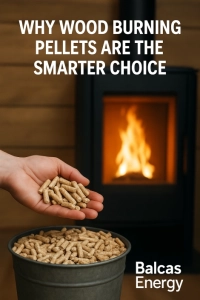
 

What Are Wood Burning Pellets? A Cleaner, Smarter Way to Heat Your Home

What Are Wood Burning Pellets

Looking for a more efficient and eco-friendly way to stay warm? Wood burning pellets might be the perfect solution. These small but powerful pellets are made from compressed natural wood waste, offering a cleaner and more sustainable alternative to traditional fossil fuels and firewood. Whether you’re heating a cosy home or a busy business premises, wood burning pellets deliver reliable heat with less mess and fewer emissions.

In this guide, we’ll explore how they work, why they’re so effective, and where you can buy high-quality pellets near you.

What Are Wood Burning Pellets?

Wood burning pellets are a type of biomass fuel made from compressed sawdust and wood shavings—often by-products from sustainable forestry and sawmills. These tiny cylindrical pellets are uniform in size and density, which means they burn evenly and efficiently in specially designed stoves or boilers.

Unlike logs or coal, wood burning pellets are low in moisture and high in energy content. This means they light quickly, produce consistent heat, and leave behind very little ash. Quality matters too—look out for ENplus® A1 certified pellets, which guarantee cleaner combustion and better performance in modern pellet appliances.

Because they’re made from renewable resources and utilise wood that might otherwise go to waste, wood burning pellets are not only practical—they’re also a smart choice for reducing your carbon footprint.

Why Choose Wood Burning Pellets Over Logs or Coal?

Wood burning pellets offer several advantages over traditional fuels like logs or coal—especially when it comes to convenience, efficiency, and sustainability.

✅ Cleaner Burn

Pellets produce significantly fewer emissions than coal or untreated wood. With lower moisture content and consistent composition, they burn cleaner and more completely—meaning less smoke, less soot, and a healthier home environment.

✅ Consistent Heat Output

Because of their uniform size and density, pellets provide a steady, controllable heat. You’ll get fewer temperature swings and better overall comfort throughout the day.

✅ Space-Saving & Easy to Store

Pellets are compact and can be stored in bags or bulk hoppers with minimal space. There’s no need to stack logs or deal with the dust and mess of coal.

✅ Less Ash, Less Cleaning

Thanks to their high combustion efficiency, wood burning pellets produce very little ash—leaving you with less maintenance and more time to enjoy the warmth.

✅ Eco-Friendly Alternative

Pellets are made from renewable wood sources and support a circular economy. When sourced sustainably, they’re one of the greenest heating options available.

Do Wood Burning Pellets Save Money?

Yes—wood burning pellets can help you cut heating costs, especially when compared to traditional fuels like oil, coal, or electric heating.

💷 Lower Cost per Kilowatt-Hour

Pellets deliver more heat per unit than logs because of their low moisture and high energy content. This means you burn less fuel to get the same warmth—saving money over time.

📉 Stable Pricing

Unlike oil or gas, which fluctuate with global markets, pellet prices stay relatively stable. You can even save more by buying in bulk ahead of winter.

🧠 Greater Efficiency = Less Waste

Pellet stoves and boilers use advanced technology to maximise combustion. This means less heat goes up the chimney and more goes into your home—making every penny count.

🎁 Government Incentives

Some UK regions offer financial support for switching to renewable heating. You may qualify for grants or incentives when installing a biomass system.

What Can You Use Wood Burning Pellets For?

Wood burning pellets aren’t just for homes—they power a wide range of heating systems in both domestic and commercial settings.

🔥 Pellet Stoves

Pellet stoves heat individual rooms or open-plan spaces. They’re perfect for households looking for an efficient, low-maintenance alternative to a log burner. Many models come with thermostats and automatic feeding systems.

🏠 Biomass Boilers

Biomass boilers replace traditional oil or gas systems and can heat entire homes or commercial premises. They work well with central heating and hot water systems, making them ideal for larger buildings.

🏫 Public and Commercial Buildings

Schools, care homes, offices, and even swimming pools now use pellet heating. It’s reliable, scalable, and supports organisations in meeting sustainability targets.

♻️ Multi-Fuel Systems

Some modern stoves and boilers burn both pellets and logs, giving users more flexibility based on availability and preference.

Whether you need to heat a single room or a whole building, wood burning pellets offer a clean, renewable solution that suits many needs.

How to Store and Handle Wood Burning Pellets

To keep wood burning pellets performing at their best, you need to store and handle them correctly. Pellets absorb moisture easily—so protecting them from damp is essential.

🧱 Store in a Dry, Covered Space

Keep pellets in a well-ventilated, dry area like a garage, shed, or purpose-built storage container. Avoid leaving them outdoors or anywhere with leaks or condensation.

📦 Use Sealed Bags or Hoppers

If you buy bagged pellets, keep them sealed until needed. For bulk deliveries, use a pellet hopper with a sealed lid to prevent moisture or contamination.

🚫 Avoid Handling Pellets Roughly

Pellets are compact but can crumble if dropped or handled carelessly. Damaged pellets create dust, which can clog your stove or boiler and reduce efficiency.

✅ Check Storage Regularly

Inspect bags and storage areas for signs of damp or pests. Address issues quickly to avoid waste and protect your heating system.

Proper storage not only keeps your pellets dry—it also protects your investment and ensures smooth, clean burning all winter long.

Where Can You Buy High-Quality Wood Burning Pellets?

When it comes to heating your home or business, not all pellets are created equal. Choosing a reliable supplier makes a big difference in performance, cleanliness, and peace of mind.

🪵 Buy Direct from Balcas Energy

At Balcas Energy, we produce ENplus® A1 certified wood burning pellets right here in the UK and Ireland. Our pellets are made from renewable sawmill residues, with no additives—just 100% natural wood.

📍 Find Your Nearest Distributor

Whether you need a few bags or a bulk delivery, we’ve got you covered. Use our handy online tool to find your nearest bagged pellet distributor or arrange for a bulk drop straight to your property.

🚛 Reliable Delivery, Year-Round

We deliver throughout the UK and Ireland, with a trusted network of partners and local stockists. You can count on consistent quality and timely service—especially before the winter rush.

🤝 Support from the Experts

Our team doesn’t just supply pellets—we help you get the most from them. From storage advice to appliance compatibility, we’re here to help.

Final Thoughts: Why Wood Burning Pellets Are Worth It

If you want a smarter, greener way to heat your home or business, wood burning pellets tick every box. They’re clean, cost-effective, and sustainable—making them a reliable choice in an uncertain energy market.

From consistent heat and low emissions to easy storage and trusted supply, pellets offer long-term benefits for you and the environment. And when you choose Balcas Energy, you’re investing in local, high-quality fuel backed by expert support.

🔥 Ready to Make the Switch?

Don’t wait until the cold weather sets in. Switch to wood burning pellets today and enjoy cleaner, more efficient heating—all year round.

👉 Order now

FAQs About Wood Burning Pellets

1. What are wood burning pellets made from?

Wood burning pellets are made from compressed sawdust, shavings, and timber by-products. They contain no chemicals or additives—only natural wood.

2. How efficient are wood burning pellets compared to logs?

Wood pellets are far more efficient than logs. Their low moisture content means more energy is converted into heat with less waste.

3. Are wood burning pellets environmentally friendly?

Yes. When sourced sustainably, pellets are carbon neutral. The carbon released during burning is reabsorbed by new tree growth.

About Balcas Energy

Balcas Energy is one of the UK’s leading manufacturers and suppliers of ENplus® A1 wood pellets, providing sustainable heating solutions across the UK and Ireland.

📍 Enniskillen, Northern Ireland

☎ 028 6632 3003
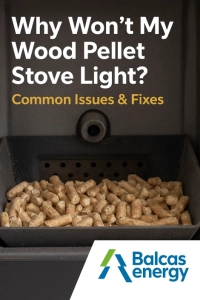
Why Won’t My Wood Pellet Stove Light?

Why Won’t My Wood Pellet Stove Light?

Why Won’t My Wood Pellet Stove Light

Why Won’t My Wood Pellet Stove Light? Common Issues & Fixes. There’s nothing more frustrating than a cold room and a pellet stove that simply won’t light. Whether you’re new to wood pellets or a long-time stove owner, ignition issues can catch anyone out.

Luckily, most problems have simple solutions—and many can be fixed at home in just a few minutes. In this guide, we’ll walk you through the most common reasons your wood pellet stove might not light, and how to fix them. Let’s get your stove working again, quickly and safely.

Check the Basics First

Before diving into technical issues, start with a few simple checks. Many stove ignition problems are easy to spot and fix.

  • Is the stove plugged in and turned on?
    Confirm that power is reaching the unit. Check fuses or circuit breakers if needed.
  • Is the hopper filled with pellets?
    Make sure there’s enough fuel. Low levels can interrupt the feed system.
  • Are the pellets dry and clean?
    Damp pellets won’t ignite. Dusty pellets can block the auger or clog the burn pot.
  • Is the burn pot clean?
    Ash and clumps can stop new pellets from catching fire. Clear out any build-up before restarting.

“Many ignition problems come down to power, fuel, or cleanliness. Start simple—you might fix the issue right away.”

Is the Igniter Working Properly?

The igniter is a small but vital part of your pellet stove. It heats the air that starts the fire.

  • Listen for the fan.
    When you start the stove, you should hear the combustion fan running.
  • Feel for warmth.
    After a minute or two, the burn pot area should start to heat up.
  • Look for a glow.
    Some igniters glow red-hot. If there’s no glow, it might not be working.
  • No ignition after a few minutes?
    The igniter may be faulty or need replacing.

Igniters usually last 3–5 years, depending on use and quality. Some models let you test or replace the part easily.

“If everything else looks fine but there’s no fire, the igniter is often the culprit.”

Are the Air Vents Blocked?

Your pellet stove needs a steady flow of air to ignite and burn properly.

Blocked vents are a common reason for ignition failure.

  • Check the air intake.
    Make sure the air inlet is clear of debris, dust, or cobwebs.
  • Inspect the vent pipe.
    Birds’ nests, ash, or soot buildup can block the flue and restrict airflow.
  • Look for warning signs.
    A slow-burning flame or smoky glass may suggest poor airflow.
  • Clean the air pathways.
    Use a vacuum or soft brush to clear ash from internal vents and fans.

A lack of airflow means the igniter can’t heat the pellets efficiently—and the stove won’t light.

“Clean airflow is essential. Without it, your stove can’t breathe—and won’t fire up.”

Has the Stove Been Cleaned Recently?

A dirty stove is one of the most common causes of ignition problems.

If ash or soot builds up, it can block heat and airflow.

  • Clean the burn pot.
    Remove clumps and old ash that could block ignition.
  • Empty the ash tray.
    Built-up ash restricts airflow and affects combustion.
  • Wipe sensors and fans.
    Dust on sensors can confuse the system and prevent ignition.
  • Follow your cleaning schedule.
    Check your manual for how often to clean key parts.

Even if your stove looks clean, ash may be hiding in places that matter.

Regular cleaning keeps your system running safely and reliably.

“A few minutes of cleaning can save hours of frustration—and keep your home warm when you need it most.”

Are You Using the Right Pellets?

Not all pellets are created equal. Poor-quality fuel is a common cause of ignition failure and inconsistent burning.

  • Use ENplus® A1 certified pellets.
    These meet strict standards for moisture, ash content, and energy output.
  • Check for dampness.
    Wet pellets won’t light properly and may clump in the hopper.
  • Avoid dusty pellets.
    Excess dust can clog feed systems and reduce airflow in the burn pot.
  • Store pellets correctly.
    Keep bags sealed and off damp floors. Use airtight bins or dry sheds.

High-quality pellets ignite faster, burn hotter, and leave less ash.

That means fewer problems and more reliable heat.

“Using the right pellets doesn’t just help your stove light—it helps it last longer and run cleaner.”

What If It Still Won’t Light?

Tried everything and your stove still won’t fire up? Don’t panic—there are a few more things to check.

  • Reset the stove.
    Turn it off, wait a few minutes, then restart according to the manual.
  • Check for error codes.
    Some stoves flash lights or display codes to indicate specific issues.
  • Listen and observe.
    Is the fan running? Is the auger feeding pellets? These clues help pinpoint the problem.
  • Inspect safety switches.
    If a door or lid is open, the stove may block ignition for safety reasons.

If none of these steps work, it may be time to call a professional.

“Most issues are easy to fix—but if you’re stuck, don’t risk it. Get expert help.”

When to Call for Professional Help

Sometimes, it’s best to stop troubleshooting and call in a qualified technician.

  • Electrical faults or damaged wires should never be repaired without proper training.
  • Igniter replacements are simple for some stoves, but tricky in others.
  • Sensor or control board errors may require specialist tools to diagnose.
  • Persistent ignition failures could point to deeper system faults.

Attempting DIY repairs may void your warranty or cause further damage.

“If in doubt, get expert advice. A quick visit from a technician could save you money—and keep your stove safe.”

Balcas Energy can recommend trusted local engineers across the UK and Ireland.

Conclusion: Get Your Stove Back Up and Running

If your wood pellet stove won’t light, don’t worry—most problems have simple solutions.

Check the basics, clean the system, and make sure you’re using high-quality fuel.

In many cases, a blocked vent, dirty burn pot, or damp pellets are all that stand between you and a warm home.

When you need support, trusted engineers and pellet experts can help get you back on track quickly.

Having ignition issues?

Switch to Balcas Energy ENplus® A1 certified wood pellets for cleaner burning, reliable lighting, and long-term stove performance.

Visit 👉 balcasenergy.com to find your nearest distributor or request a delivery today.

FAQs About Wood Pellet Stove Ignition Problems

1. Why won’t my wood pellet stove light?

The most common causes are damp pellets, blocked air inlets, a dirty burn pot, or a faulty igniter. Always check these first.

2. Can moisture affect how pellets ignite?

Yes. Pellets exposed to moisture can swell, crumble, and fail to ignite. Always store them in a dry, ventilated area.

3. What should I do if my stove’s igniter isn’t working?

Check the power supply and clean around the igniter. If it still doesn’t work, contact a qualified engineer for replacement.

4. Why does my stove light but then go out?

This often means poor airflow or low-quality pellets. Clean the stove thoroughly and ensure you use ENplus® A1 certified pellets.

5. How often should I clean my wood pellet stove?

Clean the burn pot and ash pan weekly and have the stove professionally serviced at least once a year for best performance.

About Balcas Energy

Balcas Energy is one of the UK’s leading manufacturers and suppliers of ENplus® A1 wood pellets, providing sustainable heating solutions across the UK and Ireland.

📍 Enniskillen, Northern Ireland

☎ 028 6632 3003
Is Switching to Wood Pellets Worth It? Costs, Benefits, and ROI Explained

Is Switching to Wood Pellets Worth It
With energy prices rising and carbon reduction targets tightening, more homeowners and businesses are asking the same question: Is switching to wood pellets actually worth it?

The short answer? It depends on your heating needs, your current system, and how much value you place on long-term savings and sustainability.

In this article, we’ll explore the real cost of switching to wood pellets, the practical benefits, and what kind of return on investment (ROI) you can expect. Whether you’re running a home, school, or rural business, we’ll help you decide if this low-carbon fuel is the right choice for you.

What Does Switching to Wood Pellets Involve?

Switching to wood pellets means changing how you heat your home or building—but the process is straightforward with the right setup.

You’ll typically need:

  • A biomass boiler or pellet stove suited to your property size.
  • A fuel storage solution, such as a pellet hopper or integrated silo.
  • Access to a reliable pellet supplier who can deliver bagged or bulk fuel.

For many rural homes and off-grid properties, wood pellet heating offers a clean, efficient alternative to oil or LPG.

In commercial settings, such as schools or care homes, switching to biomass can support carbon targets and cut long-term costs.

“With Balcas Energy, customers enjoy simple setup advice, certified fuel supply, and dependable delivery across the UK and Ireland.”

Upfront Costs to Consider

Switching to wood pellets involves some initial investment, but the long-term savings often balance this out.

Key Costs Include:

  • Biomass boiler or stove installation – typically ranges from £4,000 to £12,000 depending on system size and complexity.
  • Pellet storage unit or hopper – from a basic indoor bin to an external sealed silo.
  • Chimney or flue adaptations – may be needed for older properties.
  • Initial pellet fuel order – often sold in tonnes or 15kg bags.

Financial Support May Be Available:

In the UK, some properties may be eligible for funding support through local energy efficiency schemes or regional grants.

In Northern Ireland and the Republic of Ireland, similar incentives may exist depending on energy usage and property type.

“Though the setup costs are higher than traditional heating systems, the potential for long-term savings and carbon reductions is significant.”

How Much Do Wood Pellets Cost?

Wood pellets offer a competitive and stable fuel price, especially when compared to fossil fuels like oil or LPG.

Typical Costs:

  • Bulk delivery: Around £300–£350 per tonne (including VAT, depending on location and supplier).
  • Bagged pellets: Approximately £6–£7 per 15kg bag when bought by the pallet.
  • Annual usage: A well-insulated home may use 3–5 tonnes per year; commercial sites may use significantly more.

Compared to Other Fuels:

Fuel Type Average Price (UK) Carbon Emissions Price Stability
Wood Pellets £300–£350/tonne Low (carbon neutral) Stable
Heating Oil £500–£600/tonne High Volatile
LPG £600–£800/tonne High Volatile
Electricity £0.34+/kWh Medium (depends on source) Rising

Pellet prices tend to be more stable due to local production and renewable sourcing.

“Balcas Energy produces wood pellets locally using renewable energy, helping keep costs steady for UK and Irish customers.”

Running Costs and Maintenance

Once installed, wood pellet systems are generally affordable to run and maintain—especially when compared to oil or electric heating.

Typical Running Costs:

  • Fuel – Based on usage, most homes spend £900–£1,500 per year on pellets.
  • Servicing – Annual servicing costs between £150–£250, depending on the system.
  • Electricity – Biomass boilers use a small amount of electricity for operation (e.g. augers or fans).

Maintenance Tasks:

  • Ash removal – Most boilers only need emptying every few weeks.
  • Hopper checks – Keep the fuel store topped up and clean.
  • System check-ups – Regular inspections ensure efficiency and safety.

Many modern pellet systems are automated and designed to run with minimal input.

“With quality fuel like ENplus® A1 pellets from Balcas Energy, your system runs cleaner—reducing ash and improving performance.”

Environmental Benefits

Switching to wood pellets isn’t just a smart financial move—it’s a powerful step towards reducing your carbon footprint.

Why Wood Pellets Are a Greener Choice:

  • Carbon neutral – Trees absorb CO₂ as they grow, which offsets emissions released during pellet combustion.
  • Locally sourced – Reduces transport miles and fossil fuel dependency.
  • Made from waste – Pellets are produced using sawdust and wood shavings that would otherwise go to landfill or rot.

Compared to Fossil Fuels:

  • Heating oil and LPG release stored carbon that adds to global emissions.
  • Wood pellets release biogenic carbon, already part of the natural carbon cycle.

At Balcas Energy, wood pellets are manufactured using renewable energy from on-site biomass. This further reduces environmental impact and supports a truly circular energy model.

“Choosing sustainable fuel today protects the environment for tomorrow.”

What’s the ROI on Wood Pellet Heating?

Return on investment (ROI) depends on your current heating system, energy usage, and the availability of fuel in your area.

That said, many customers see strong returns within a few years—especially those replacing expensive fossil fuel systems.

Factors That Influence ROI:

  • Fuel savings – Wood pellets are cheaper and more stable in price than oil or LPG.
  • Low maintenance – Reduced running costs and longer boiler lifespan.
  • Government incentives – Grants or tax relief can lower initial outlay.
  • Energy independence – Protection from volatile fuel markets.

Typical Payback Periods:

  • Domestic users: 5–8 years, depending on property size and insulation.
  • Commercial users: 3–6 years, especially with high annual heat demand.

“Balcas Energy customers often report lower bills, greater reliability, and peace of mind from using local, sustainable fuel.”

Who Should Consider Making the Switch?

Wood pellet heating isn’t for everyone—but for the right users, it delivers serious savings and long-term value.

Ideal for:

  • Rural homes off the gas grid using oil, LPG, or electric heating.
  • Farms and estates with high, consistent heating demand.
  • Schools, care homes, and public buildings aiming to reduce emissions.
  • Businesses focused on sustainability and energy efficiency.

If you use a lot of heating energy and want lower fuel costs, wood pellets are well worth considering.

Those with space for a fuel store—and access to a reliable supplier like Balcas Energy—can enjoy cleaner, more affordable heating with lower environmental impact.

“Thousands across the UK and Ireland have already made the switch—and never looked back.”

Conclusion: Is Switching to Wood Pellets Worth It?

Yes—for many homes and businesses, switching to wood pellets is absolutely worth it.

While the initial costs are higher than traditional heating, the long-term savings, environmental benefits, and fuel security make a compelling case.

You’ll reduce your carbon footprint, gain independence from volatile oil prices, and invest in a future-ready heating solution.

And when you choose Balcas Energy, you get more than just pellets. You get:

  • ✅ ENplus® A1 certified fuel
  • ✅ Locally produced, renewable heat
  • ✅ Expert support and delivery across the UK and Ireland

“Make the switch once—benefit for years.”

Ready to take the next step?

Contact Balcas Energy today for a free quote or to find your nearest distributor.

Let’s help you heat your home or business sustainably—with cleaner fuel that delivers real value.

Visit balcasenergy.com

FAQs About Switching to Wood Pellets

1. Is switching to wood pellets really worth it?

Yes. Wood pellets offer lower, more stable heating costs, high efficiency, and a renewable, carbon-neutral alternative to fossil fuels.

2. Do wood pellets save money compared to oil or gas?

They can. Pellet prices are typically more stable than oil or gas, helping households reduce annual heating expenses over time.

3. Are wood pellets better for the environment?

Yes. Pellets are made from sustainable timber by-products and burn cleanly, reducing carbon emissions and reliance on non-renewable fuels.

4. Can existing heating systems use wood pellets?

In most cases, switching requires a compatible pellet stove or boiler. Balcas Energy can recommend suitable solutions for every home size.

5. How long do wood pellet systems last?

A quality wood pellet boiler can last 15 to 20 years with regular servicing and proper maintenance, offering long-term value.

About Balcas Energy

Balcas Energy is one of the UK’s leading manufacturers and suppliers of ENplus® A1 wood pellets, providing sustainable heating solutions across the UK and Ireland.

📍 Enniskillen, Northern Ireland

☎ 028 6632 3003
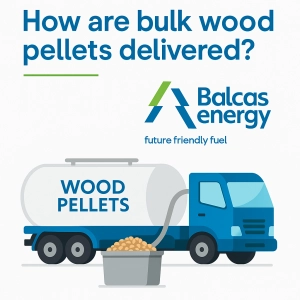
How Are Bulk Wood Pellets Delivered

How Are Bulk Wood Pellets Delivered? A Simple Guide for Homes and Businesses

How Are Bulk Wood Pellets Delivered

This guide answers the question: How Are Bulk Wood Pellets Delivered? It also explains what you should expect on the day, and why thousands trust Balcas Energy to deliver clean, renewable heat—direct to their door.

Bulk wood pellet delivery is a smart, efficient way to keep your heating system fuelled—without lifting a single bag. Whether you’re a homeowner, school, or rural business, understanding the delivery process helps you prepare and get the most from your fuel.

🚛 What Is Bulk Wood Pellet Delivery?

Bulk wood pellet delivery is a clean, efficient way to supply heating fuel directly to a customer’s on-site storage unit.

Unlike bagged pellets, we deliver in sacks, bulk pellets arrive in a specially designed delivery vehicle.

The pellets are transported loose and blown through a flexible hose straight into your pellet store or hopper.

This method is ideal for customers with a biomass boiler and suitable storage space.

It reduces packaging waste, lowers fuel costs per tonne, and saves time.

Balcas Energy delivers thousands of bulk loads every year—quickly, cleanly, and with minimal disruption to your site.”

👥 Who Uses Bulk Wood Pellet Delivery?

Bulk pellet delivery is popular with anyone needing regular, high-volume heating fuel.

Homeowners with biomass boilers use bulk delivery to keep their systems running efficiently.

Many schools, care homes, hotels, and public buildings rely on bulk pellets for consistent, renewable heat.

Farms and rural businesses choose bulk delivery to cut fuel costs and reduce handling time.

Organisations aiming to lower their carbon footprint often switch from oil or LPG to bulk wood pellets.

“From remote homes to large estates, Balcas Energy delivers renewable warmth wherever you need it.”

🧹 How to Prepare for a Bulk Delivery

Preparing for a bulk wood pellet delivery is easy—and ensures a smooth, safe process from start to finish.

Start by checking that your pellet store is clean, dry, and ready to receive the fuel.

Make sure your delivery point is clearly marked and easily accessible for a large vehicle.

Remove any obstructions from the entrance, gate, or pathway the delivery team will use.

Confirm that your pellet store has the correct fittings and filter system for clean air flow during filling.

Notify your supplier of any site restrictions, narrow lanes, or timed access windows.

“At Balcas Energy, we work with you in advance—so deliveries are simple, efficient, and hassle-free.”

📦 Step-by-Step: Bulk Delivery Process

Here’s what happens during a typical bulk wood pellet delivery:

  1. Arrival – The delivery vehicle arrives at your property at the pre-arranged time.
  2. Connection – We attach a flexible hose from the truck to your pellet store or silo.
  3. Blowing In – Pellets are blown into the store using low-pressure air to prevent damage.
  4. Dust Control – An air filtration system manages dust and keeps the process clean.
  5. Monitoring – The driver monitors the fill level and adjusts the flow to avoid overfilling.
  6. Completion – Once full, we disconnect the hose and leave the site tidy.

We complete most deliveries in under an hour.

“Balcas Energy’s experienced drivers handle every delivery with care—ensuring your pellets arrive safely and cleanly.”

⏱️ How Long Does It Take?

Most bulk wood pellet deliveries take less than one hour from arrival to completion.

The exact time depends on the size of your pellet store and how accessible your site is.

Clear access, good site preparation, and the right fittings help speed up the process.

For large commercial deliveries, we may need extra time to safely manage volume and airflow.

Your supplier should confirm the estimated delivery window when booking.

“Balcas Energy’s team completes most domestic deliveries within 30–45 minutes—keeping disruption to an absolute minimum.”

🌱 What Are the Benefits of Bulk Delivery?

Bulk delivery offers several advantages over bagged wood pellets, especially for regular or high-usage customers.

✅ Key Benefits:

  • Lower cost per tonne – Bulk pellets are more economical than bagged options.
  • Less packaging waste – No plastic bags to dispose of.
  • Fewer deliveries – One bulk load can last weeks or months.
  • Convenience – No manual lifting or storage of heavy bags.
  • Cleaner process – Dust extraction systems ensure a tidy, efficient transfer.

Bulk delivery is ideal for those wanting reliable, hands-off fuel management with minimal environmental impact.

“Balcas Energy customers enjoy long-term savings, cleaner storage, and effortless top-ups with every delivery.”

🛠️ What Equipment Is Used?

Bulk pellet deliveries rely on specialised equipment designed for clean, safe fuel transfer.

🚛 Delivery Vehicle:

  • Custom-built lorries with on-board weighing systems.
  • Pneumatic blower systems move pellets through flexible hoses.

🧯 Dust Control:

  • Integrated filters reduce airborne dust during delivery.
  • Ensures safe operation and cleaner air on-site.

🧩 Connection System:

  • Sealed coupling fits standard pellet store inlets.
  • Prevents spillage and keeps moisture out.

📊 Monitoring Tools:

  • Drivers use pressure gauges and level indicators.
  • This ensures accurate filling without overloading the store.

“Balcas Energy’s fleet is fully equipped to deliver ENplus® A1 pellets efficiently, safely, and cleanly—every time.”

🌟 Why Choose Balcas Energy for Bulk Delivery?

Balcas Energy is one of the UK and Ireland’s most trusted names in sustainable wood pellet supply.

🏆 What Sets Balcas Energy Apart:

  • Locally produced ENplus® A1 certified pellets.
  • Manufactured using renewable energy from biomass.
  • Over 9,000 customers trust Balcas for reliable supply.
  • Dedicated delivery fleet ensures prompt and professional service.
  • Friendly support team offers advice and aftercare.

Bulk deliveries are available across Northern Ireland, Ireland, and the UK mainland from strategically located depots.

“With Balcas Energy, you get quality pellets, expert delivery, and sustainable heat—all from one dependable source.”

✅ Conclusion: Bulk Delivery Made Simple

Bulk wood pellet delivery is a clean, cost-effective solution for anyone who uses biomass heating regularly.

It’s fast, efficient, and ideal for homes, schools, and businesses that want reliable fuel without the manual handling.

When you choose Balcas Energy, you get certified pellets, expert delivery, and support from one of the UK and Ireland’s leading suppliers.

“From production to delivery, we take care of everything—so you can enjoy sustainable heat with zero hassle.”

🔥 Ready for cleaner, greener heating?

Contact Balcas Energy today to arrange your first bulk delivery or speak with our friendly team for expert advice. Or, if you’d like more information about How Are Bulk Wood Pellets Delivered?

Visit 👉 balcasenergy.com

Or call 📞 your local depot for quick support.

Frequently Asked Questions About Bulk Wood Pellet Deliveries

1. How are bulk wood pellets delivered?

Balcas Energy delivers bulk wood pellets using purpose-built blower lorries. These vehicles safely transfer pellets through a sealed hose directly into your storage unit or hopper, keeping the process clean, efficient, and dust-free.

2. How long does a bulk delivery take?

Most deliveries take around 30 to 60 minutes, depending on the delivery distance and size of your order. Balcas Energy’s experienced drivers manage everything from setup to final checks, ensuring a smooth and safe delivery every time.

3. Do I need to be home for the delivery?

Yes. Someone should be present to provide access to the storage area and confirm that fittings match the required A-400 camlock connection. Your delivery driver will also perform a quick inspection before unloading the pellets.

4. What type of storage unit do I need for bulk pellets?

Your storage unit must be dry, ventilated, and equipped with metal piping to prevent static build-up. Balcas Energy recommends soft bends instead of 90-degree angles to reduce pellet damage during delivery.

5. How far can the lorry deliver pellets through the hose?

Balcas Energy’s blower lorries can deliver pellets up to 20 metres on a straight line. Longer distances may require a signed disclaimer. Always discuss your setup with the team in advance to ensure a safe and efficient delivery.

6. How can I prepare for my bulk pellet delivery?

Before your delivery, check that the route is clear and the camlock fittings are accessible. Make sure your boiler is turned off during delivery for safety. Balcas Energy’s team will handle the rest.

About Balcas Energy

Balcas Energy is one of the UK’s leading manufacturers and suppliers of ENplus® A1 wood pellets, providing sustainable heating solutions across the UK and Ireland.

📍 Enniskillen, Northern Ireland

☎ 028 6632 3003
🌐 https://balcasenergy.com


Are Wood Pellets a Sustainable Fuel Source

Are Wood Pellets a Sustainable Fuel Source? Let’s Break It Down

Are wood pellets a sustainable fuel source

As more people look for greener ways to heat their homes and businesses, they recommend wood pellets as a smart, sustainable option. But are wood pellets and sustainable fuel source, and why?

In this article, we’ll explore what makes a fuel source sustainable, how we produce wood pellets, and why they’re carbon neutral. We’ll also examine their impact on the environment and how they compare to other heating options—so you can decide whether they’re the right choice for your home or business.

🌍 What Makes a Fuel Source Sustainable?

When we talk about sustainable fuel, we’re not just talking about its composition. We’re looking at the bigger picture. A truly sustainable fuel source must tick several important boxes:

✅ Key Criteria for Sustainability:

  • Renewable: Can we naturally replenish it within a short timeframe?
  • Low Carbon Emissions: Does it produce fewer greenhouse gases than fossil fuels?
  • Responsibly Sourced: Can we harvest it without damaging ecosystems or biodiversity?
  • Efficient Lifecycle: Does its production, transport, and use minimise waste and energy use?

Wood pellets perform well in all these areas—especially when sourced from sawmill residues and manufactured using renewable power, like those produced by Balcas Energy.

By choosing fuels that meet these standards, we reduce our reliance on fossil fuels and support a cleaner, more circular energy economy.

🪵 How Are Wood Pellets Made?

We make wood pellets by compressing fine wood particles—usually sawdust, shavings, or other by-products from the timber industry—into small, dense cylinders. There are no additives or harmful chemicals involved; the natural lignin in the wood acts as a binding agent when heated.

🔄 The Wood Pellet Manufacturing Process:

  1. Collection – We gather residual sawdust and shavings from sustainable sawmill operations.
  2. Drying – We dry the raw material to the ideal moisture content.
  3. Compression – High-pressure machines compress the dry material into uniform pellets.
  4. Cooling & Screening – Pellets are cooled, sieved, and checked for quality.
  5. Bagging or Bulk Loading – Depending on the customer, pellets are either bagged or delivered in bulk.

At Balcas Energy, this process is powered using renewable energy from their own biomass combined heat and power plant—meaning the pellets are not just renewable, but also manufactured with sustainability in mind.

♻️ “Our wood pellets are made in the UK and Ireland using local renewable raw materials and renewable energy. That’s real circular energy.” – Balcas Energy

♻️ Why Wood Pellets Are Considered Carbon Neutral

One of the main reasons wood pellets are seen as a sustainable fuel source is because they are carbon neutral—but what does that actually mean?

🌳 The Carbon Cycle Explained:

Trees absorb carbon dioxide (CO₂) from the atmosphere as they grow. When wood pellets made from these trees are burned for energy, they release that same amount of CO₂ back into the air. As long as new trees are planted and forests are managed sustainably, the cycle continues—absorbing as much carbon as is released.

This balance is what makes wood pellets carbon neutral.

⚡ Bonus Sustainability at Balcas Energy

At Balcas Energy, this sustainability goes even further. The energy used to manufacture their pellets comes from their own biomass combined heat and power (CHP) plant, which is fuelled by wood residues. This means:

  • ✅ No fossil fuels used in production
  • ✅ Lower overall carbon footprint
  • ✅ A truly closed-loop, circular energy process

“Choosing wood pellets from a responsible supplier like Balcas Energy means you’re supporting an energy system that gives back as much as it takes.”

🏅 What’s the Difference Between Certified and Non-Certified Pellets?

Not all wood pellets are created equal. If you care about sustainability, efficiency, and clean burning, certification matters.

🔍 Why Certification Is Important:

Certified wood pellets meet strict standards for:

  • Low moisture content (for better combustion)
  • High energy output
  • Minimal ash production
  • No harmful additives or binders
  • Sustainable sourcing and traceability

✅ Key Certifications to Look For:

  • ENplus® A1 – Recognised across Europe for premium pellet quality
  • BSL (Biomass Suppliers List) – Required for RHI-eligible fuel in the UK

⚠️ The Risk of Non-Certified Pellets:

  • Lower heat output
  • More frequent stove or boiler maintenance
  • Possible emissions of harmful substances
  • Unclear sourcing—may not be sustainable

🔒 Why Balcas Energy Sets the Standard:

All Balcas Energy wood pellets are:

  • ENplus® A1 certified
  • BSL authorised
  • Produced from locally sourced sawmill residues
  • Backed by a fully traceable supply chain

“When you choose certified pellets, you’re not just choosing cleaner energy—you’re choosing peace of mind.”

🚛 What About the Environmental Impact of Delivery and Storage?

Even the greenest fuel can lose its environmental edge if delivery and storage aren’t handled responsibly. Fortunately, wood pellets—especially when supplied in bulk—have a lower impact than many other heating fuels.

📦 Efficient Delivery Matters:

  • Bulk delivery means fewer trips, reducing vehicle emissions.
  • Optimised logistics minimise fuel usage during transport.
  • Local sourcing (like from Balcas Energy’s UK & Irish plants) cuts down on delivery miles compared to imported fuels.

🛢️ Smart Storage = Less Waste:

  • Wood pellets must be kept dry and well-ventilated to maintain quality.
  • Proper pellet stores prevent spoilage, dust, and blockages.
  • Using a sealed, purpose-built storage unit helps avoid environmental contamination and ensures optimal pellet performance.

🌍 Balcas Energy’s Low-Impact Approach:

  • Uses dedicated delivery fleet with purpose-built vehicles.
  • Offers domestic and commercial bulk delivery options to reduce packaging waste.
  • Provides clear guidance for safe and sustainable storage solutions.

“From production to delivery, every step of the Balcas Energy journey is designed to be as low-impact and efficient as possible.”

🔄 Are There Better Alternatives to Wood Pellets?

With so many renewable heating options available, it’s fair to ask whether wood pellets are the best choice. The answer depends on your needs—but in many cases, they strike the ideal balance between eco-friendliness, cost-effectiveness, and reliability.

🔥 How Wood Pellets Compare:

Fuel Type

Renewable

Carbon Neutral

Reliable Supply

Suitable for Whole Home?

Wood Pellets

✅ Yes

✅ Yes

✅ Strong

✅ Yes

Oil

❌ No

❌ No

✅ Strong

✅ Yes

LPG

❌ No

❌ No

✅ Strong

✅ Yes

Heat Pumps

✅ Yes

✅ Yes

⚠️ Grid-dependent

⚠️ Depends on insulation

Logs

✅ Yes

⚠️ Variable

⚠️ Manual effort

⚠️ May not be automated

💬 Key Benefits of Wood Pellets:

  • Reliable heat even in rural/off-grid areas
  • Easier to store and handle than logs
  • Lower capital cost than heat pumps in many installations
  • Excellent performance in cold weather

“For homes and businesses seeking reliable, renewable heating with lower upfront costs, wood pellets remain one of the most practical solutions available.”

💬 What Customers Say About Heating with Wood Pellets

Nothing beats real-world experience. Across the UK and Ireland, thousands of customers have made the switch to wood pellet heating—and many wouldn’t go back.

🌟 Here’s What Some Have Shared:

“We’ve cut our heating bills and reduced our carbon footprint—all without changing our daily routine. It’s hassle-free heating!”

– Anna, Co. Antrim

“The pellet delivery was simple and quick. The fuel burns clean, the heat is constant, and the boiler runs like a dream.”

– Mark, Donegal Business Owner

“Switching to Balcas Energy was the best move we made for our farmhouse. Reliable, sustainable, and locally made—what’s not to love?”

– Joanne, Yorkshire

📈 Fast Facts:

  • Over 9,000 homes and businesses across the UK and Ireland use Balcas Energy wood pellets
  • Customers benefit from local production, ENplus® A1 certification, and dedicated support

🗣️ Why It Matters:

Positive experiences build confidence—and when people see the environmental and financial benefits of using sustainably sourced pellets, they tend to stay loyal.

“Don’t just take our word for it—ask our customers. The proof is in the performance.”

✅ Conclusion: So, Are Wood Pellets a Sustainable Fuel Source?

Yes, when sourced and produced responsibly, wood pellets are one of the most sustainable heating fuels available today.

They’re made from renewable materials, support a closed-loop carbon cycle, and offer clean, efficient heating with a lower environmental impact—especially when supplied by a trusted, certified provider.

With Balcas Energy, you get:

  • ENplus® A1 certified pellets
  • Made using 100% renewable energy
  • Locally produced in the UK and Ireland
  • Delivered efficiently to homes and businesses

Whether you’re looking to reduce your carbon footprint or switch to a more affordable, reliable fuel, wood pellets are a smart, future-ready choice.

📣 Ready to Make the Switch?

🔥 Contact Balcas Energy today for cleaner, greener heating:

  • Visit balcasenergy.com
  • Call us or request a quote online
  • Enjoy expert advice, reliable delivery, and sustainable energy—straight to your home or business

Frequently Asked Questions About Sustainable Wood Pellets

1. Are wood pellets really a sustainable fuel source?

Yes. many consider wood pellets sustainable because they are made from renewable wood residues such as sawdust and shavings. Balcas Energy uses by-products from responsibly managed forests, ensuring no additional trees are felled purely for fuel.

2. How are Balcas Energy wood pellets produced sustainably?

Balcas Energy produces its pellets using 100% renewable energy generated from its own biomass power plants. This process powers both production and drying, reducing reliance on fossil fuels and minimising carbon emissions from start to finish.

3. Do wood pellets help reduce carbon emissions?

Yes. When you burn them, wood pellets release only the carbon dioxide that trees absorbed during growth—making them carbon neutral. Using Balcas Energy wood pellets instead of oil or coal significantly cuts your home’s or business’s carbon footprint.

4. Are all wood pellets environmentally friendly?

Not necessarily. Only pellets that meet strict certification standards like ENplus® A1 can guarantee sustainable and clean-burning. Balcas Energy wood pellets are fully certified, ensuring low ash, low moisture, and high energy efficiency.

5. Why are locally produced wood pellets better for the environment?

Locally made pellets, like those from Balcas Energy’s Northern Ireland and Scotland plants, travel shorter distances before delivery. This reduces transport emissions and supports local economies—making your heating choice both eco-friendly and community-focused.

About Balcas Energy

Balcas Energy is one of the UK’s leading manufacturers and suppliers of ENplus® A1 wood pellets, providing sustainable heating solutions across the UK and Ireland.

📍 Enniskillen, Northern Ireland

☎ 028 6632 3003
🌐 https://balcasenergy.com

Do Wood Pellets Save You Money?

Do Wood Pellets Save You Money? Let’s Break Down the Costs

Do Wood Pellets Save You Money

Heating your home or business can be expensive—especially with rising energy prices across the UK. That’s why many people are switching to wood pellets. But do wood pellets really save you money?

It’s a fair question, and one worth exploring before you commit to a new heating solution. Wood pellets are known for being efficient, renewable, and eco-friendly. They’re also praised for long-term savings and stable pricing compared to oil or gas.

In this article, we’ll break down the real costs. We’ll compare wood pellets to other fuels, highlight potential savings, and cover any hidden expenses. Whether you’re a homeowner or business owner, this guide will help you decide if wood pellets are a smart financial move.

What Are Wood Pellets?

Wood pellets are small, cylindrical pieces of compressed sawdust and wood shavings. They’re made from clean, dry wood waste—often a co-product of sawmills.

Manufacturers compress the wood under high pressure, using the natural lignin in the wood to bind the pellets. That means no added chemicals or glue—just 100% natural fuel.

Pellets are uniform in size, dry, and energy-dense. They burn cleanly and efficiently in specially designed pellet boilers and stoves.

In the UK, high-quality pellets carry the ENplus® A1 certification, ensuring consistent energy output, low ash content, and reliable performance.

They’re available in bags for domestic users or in bulk for commercial customers. Storage is simple, and modern pellet systems feed automatically—making them a convenient and sustainable choice for heating.

Comparing Heating Costs: Pellets vs. Traditional Fuels

Heating with wood pellets can significantly reduce your energy bills, especially when compared to traditional fossil fuels.

Oil and gas prices often fluctuate due to market instability. Wood pellets offer a more stable and predictable price throughout the year.

On average, pellet heating systems are 20–30% cheaper to run than oil or LPG alternatives.

Electric heating, while convenient, is among the most expensive ways to heat your home. Pellets provide better value for long-term use.

Pellet systems are also more efficient than traditional wood logs. You get more heat per kilogram, with less waste.

For larger homes and businesses, buying pellets in bulk can bring additional savings—often reducing the cost per tonne significantly.

While upfront costs for pellet boilers may be higher, the lower running costs help offset that investment quickly.

Plus, incentives like the Boiler Upgrade Scheme (BUS) in the UK may provide further financial support.

The Long-Term Savings of Pellet Heating

Switching to wood pellet heating is an investment that delivers savings year after year.

Modern pellet boilers are designed for efficiency and durability, often lasting 15–20 years with proper maintenance.

Lower fuel prices, combined with high-efficiency systems, mean reduced heating bills over the lifetime of your boiler.

Pellets are made from waste wood, so they’re not only sustainable—they’re more affordable and less affected by global fuel markets.

Automated pellet systems require less manual handling, reducing maintenance costs and hassle.

With rising concerns over energy prices and carbon emissions, many homes and businesses are locking in long-term value with pellet fuel.

Energy-saving improvements can also increase the value of your property and lower overall household running costs.

If you’re using a renewable energy tariff or producing your own electricity, you’ll benefit even more from this eco-friendly heating option.

More Than Just Money: Extra Benefits of Using Wood Pellets

Choosing wood pellets as a heating fuel isn’t just about saving money—there are plenty of other valuable benefits too.

Pellets are made from locally sourced wood waste, reducing the need for imported fossil fuels and supporting the local economy.

They produce low emissions when burned, making them a cleaner alternative to oil, coal, or gas.

Wood pellets are carbon neutral—the carbon they release when burned equals the amount absorbed during the tree’s growth.

They’re easy to store and handle, especially in handy 10kg bags or bulk blown delivery options.

Using wood pellets helps businesses and households lower their carbon footprint and meet sustainability goals.

They’re also BSL and ENplus A1 certified, so you know you’re getting consistent, high-quality fuel that meets strict European standards.

Pellet heating systems can also be paired with smart technology, giving you greater control over your energy usage.

Finally, many customers say they appreciate the comfort and steady warmth pellet systems provide—perfect for chilly UK winters.

So, Do Wood Pellets Really Save You Money?

In short—yes, they do. When you consider the stable pricing, efficient heating, and environmental benefits, wood pellets are a smart long-term investment. Whether you’re a homeowner or run a small business, switching to wood pellets can bring both financial and eco-friendly rewards.

With the added peace of mind that you’re using locally produced, renewable energy, there’s never been a better time to make the change.

👉 Ready to cut your heating costs and go greener?

Explore our range of ENplus A1 certified wood pellets and place your order online today at balcasenergy.com.

Warmth, savings, and sustainability—delivered to your door.

Frequently Asked Questions About Saving Money with Wood Pellets

1. Do wood pellets really save you money on heating?

Yes. Wood pellets can be more cost-effective than traditional fuels such as oil or electricity. They provide steady, high heat output at a stable price, especially when bought in bulk from Balcas Energy.

2. How much cheaper are wood pellets compared to oil or gas?

Savings vary, but customers often save 10–20% annually compared to heating oil. Wood pellet prices also remain more stable than fossil fuel prices, helping households budget more confidently through winter.

3. How can I reduce my wood pellet heating costs even further?

You can lower costs by improving home insulation, regularly servicing your boiler, and ordering bulk wood pellet deliveries before peak winter demand. Using ENplus® A1 certified pellets from Balcas Energy ensures maximum efficiency per bag or tonne.

4. Are wood pellets a good long-term investment?

Absolutely. Wood pellets are renewable, locally sourced, and supported by a secure supply chain. Their long-term price stability makes them a smart investment for both households and businesses looking to reduce energy bills sustainably.

5. Where can I buy affordable, high-quality wood pellets?

You can order directly from Balcas Energy. As the UK and Ireland’s largest pellet producer, Balcas offers bulk and bagged ENplus® A1 certified pellets made from renewable sawmill residues.

About Balcas Energy

Balcas Energy is one of the UK’s leading manufacturers and suppliers of ENplus® A1 wood pellets, providing sustainable heating solutions across the UK and Ireland.

📍 Enniskillen, Northern Ireland

☎ 028 6632 3003
🌐 https://balcasenergy.com

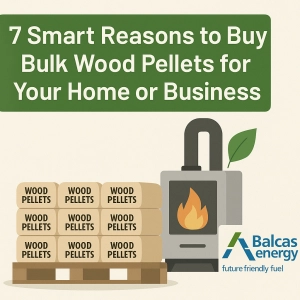
7 Reasons Why Buying Bulk Wood Pellets is Smart

7 Smart Reasons to Buy Bulk Wood Pellets for Your Home or Business

Buying bulk wood pellets

If you’re using a pellet stove or biomass boiler, keeping your fuel stocked up is essential—especially during the colder months. Whether you’re a homeowner heating a family home or a business managing a larger building, buying bulk wood pellets is a smart and sustainable move. Here’s why switching to bulk can benefit your wallet, your time, and even the planet.

1. Lower Cost Per Kilogram

Buying in bulk almost always means better value. When you purchase a full pallet or larger load, the price per kilogram drops. Over a heating season, that adds up to real savings—ideal for households or businesses relying on wood pellets daily.

2. Fewer Deliveries, Less Hassle

Ordering in bulk means fewer deliveries throughout the year. It’s more convenient and efficient, especially if you have suitable storage space. Plus, fewer delivery trips mean fewer interruptions and reduced transport emissions.

3. Always Have Fuel When You Need It

Winter demand for wood pellets can surge. By ordering in bulk, you avoid last-minute shortages and delivery delays. Whether you’re in the city or countryside, having a consistent fuel supply on hand provides peace of mind.

4. More Eco-Friendly

Bulk deliveries reduce the number of journeys made by delivery vehicles. This helps cut down on carbon emissions. Plus, you use less packaging compared to buying smaller bags individually. That’s better for the planet.

5. Perfect for Businesses and Larger Households

If you’re running a school, hotel, farm, or large home, a steady fuel supply is crucial. Buying in bulk supports consistent heating without worrying about topping up mid-season. You can even schedule deliveries around your peak usage times.

6. Certified Quality Every Time

With a trusted supplier like Balcas Energy, bulk doesn’t mean lower quality. Their ENplus A1 certified wood pellets guarantee high performance, low ash, and clean burning. You’ll protect your stove or boiler while getting the best heat output.

7. Peace of Mind All Winter Long

Cold snaps can come without warning. By planning ahead and ordering in bulk, you can rest easy knowing you’re fully prepared. Online ordering makes it even easier—just place your order, sit back, and stay warm.

In Summary

Buying bulk wood pellets is a smart decision for anyone using biomass fuel. You’ll enjoy better prices, reliable supply, certified quality, and reduced environmental impact.

Whether you heat a cosy home or a busy business, it’s worth considering bulk delivery to make your life easier this winter.

👉 Order your bulk wood pellets today from Balcas Energy and enjoy dependable delivery, premium quality, and service you can trust.

Frequently Asked Questions About Buying Bulk Wood Pellets

1. Why should I buy wood pellets in bulk?

Buying in bulk helps you save money, reduce packaging waste, and ensure a steady winter fuel supply. With Balcas Energy, you also get consistent ENplus® A1 certified pellets delivered directly to your storage unit for maximum convenience.

2. Are bulk wood pellets cheaper than bagged pellets?

Yes. Bulk pellets are typically 10–15% cheaper per tonne because they require less packaging and handling. You also save on delivery costs by reducing the number of orders throughout the year.

3. How are bulk wood pellets delivered?

Balcas Energy uses blower lorries to deliver pellets directly into your store or hopper. The process is quick, clean, and managed by trained drivers to prevent dust and pellet damage during delivery.

4. How much storage space do I need for bulk wood pellets?

Most homes need a 3–5 tonne storage unit, depending on heating demand. The space must be dry, ventilated, and accessible for delivery hoses. Balcas Energy can advise on suitable storage options for your property.

5. Are bulk deliveries more environmentally friendly?

Yes. Bulk orders reduce packaging waste, delivery frequency, and transport emissions. Combined with Balcas Energy’s renewable production process, bulk deliveries support a cleaner, more sustainable heating solution.

6. Can I mix bulk and bagged wood pellets?

Yes. Many customers use bulk for regular heating and bagged pellets for backup or smaller stoves. Both options from Balcas Energy are made to the same high ENplus® A1 quality standard.

About Balcas Energy

Balcas Energy is one of the UK’s leading manufacturers and suppliers of ENplus® A1 wood pellets, providing sustainable heating solutions across the UK and Ireland.

📍 Enniskillen, Northern Ireland

☎ 028 6632 3003
🌐 https://balcasenergy.com

Why ENplus A1 Certification Matters When Buying Wood Pellets

ENplus A1 Certification: Why It Matters When Buying Wood Pellets

Why Enplus A1 certification matters

Why ENplus A1 certification matters? When it comes to heating your home or business with wood pellets, quality matters. Not all pellets are created equal, and choosing the right ones can make a big difference to your system’s performance, environmental impact, and your wallet.

That’s where ENplus A1 certification comes in. Recognised across Europe and beyond, this certification guarantees:

  • 🔥 Consistent high heat output with minimal ash and moisture content.
  • 🌱 Cleaner combustion, producing fewer emissions and protecting the environment.
  • 🏠 Better protection for your boiler or stove, reducing maintenance and extending lifespan.

In this blog, we’ll explain what ENplus A1 certification actually means, how it sets a higher standard in wood pellet fuel, and why it should matter to you. You’ll also learn how to recognise certified products, the benefits of choosing ENplus A1 pellets, and why Balcas Energy only supplies pellets that meet this premium standard. Whether you’re new to biomass heating or want to get the most from your current system, this guide will help you burn smarter and cleaner.

What Is ENplus A1 Certification?

ENplus A1 is an internationally recognised certification for premium quality wood pellet fuel. It sets the highest standards in the industry.

The certification ensures that pellets deliver consistent high heat output, low ash content, and minimal moisture—ideal for modern biomass systems.

Administered by the European Pellet Council, ENplus A1 includes strict production, labelling, and distribution standards across the supply chain.

To qualify, producers and traders must undergo regular audits and independent laboratory testing to confirm their pellets meet A1 standards.

This guarantees customers that the wood pellets they buy are reliable, efficient, and clean-burning—offering true value for money.

Balcas Energy meets and exceeds ENplus A1 requirements, delivering premium pellets trusted by thousands across the UK and Ireland.

The Benefits of ENplus A1 Wood Pellets

Choosing ENplus A1 wood pellets provides several key advantages that enhance both performance and peace of mind.

  • Higher heat output: ENplus A1 certified pellets produce more energy per kilogram, meaning you burn less fuel to heat your space.
  • Lower ash content: These pellets leave behind minimal residue, which helps reduce cleaning and maintenance of your boiler or stove.
  • Consistent quality: Every bag meets strict standards, so you avoid clogs, uneven burning, and damage to your heating system.
  • Greater efficiency: Certified wood pellet fuel burns cleaner, improving combustion and reducing fuel waste.
  • Better for the environment: With low moisture and emissions, ENplus A1 pellets support greener, more sustainable heating.
  • Reduced wear and tear: Cleaner burning protects internal components, extending the lifespan of your biomass system.

Balcas Energy’s pellets are proudly ENplus A1 certified, offering all these benefits with every delivery.

How to Recognise ENplus A1 Certified Pellets

Buying high-quality wood pellets starts with checking for the ENplus A1 certification. Fortunately, it’s easy to spot the signs.

Look for the ENplus logo clearly displayed on the bag or pallet wrap. This logo includes a unique identification number.

Each certified producer or trader has a specific number that proves their registration and compliance with ENplus A1 standards.

The packaging should also state the pellet class as A1, indicating it meets the highest level of quality and performance.

Avoid unbranded or unlabelled bags. These may contain lower-grade fuel that could damage your stove or reduce efficiency.

At Balcas Energy, every bag of wood pellet fuel carries the ENplus A1 mark and our registration number—UK 307.

This transparency helps customers make informed choices and ensures peace of mind with every purchase.

Why Balcas Energy Only Supplies ENplus A1 Certified Wood Pellets

Balcas Energy is committed to delivering premium, sustainable wood pellet fuel you can trust.

That’s why all our pellets are ENplus A1 certified—meeting the highest standards for performance, efficiency, and environmental responsibility.

Our production uses 100% renewable energy at our CHP plants in Northern Ireland and Scotland. This ensures a truly low-carbon heating solution.

By controlling every stage of the supply chain, from sawmill to pellet delivery, we guarantee consistent, high-quality fuel.

Our certification number, UK 307 appears on every bag—proving our commitment to reliable, traceable, and efficient wood pellet heating.

Choosing Balcas Energy means fewer breakdowns, cleaner burns, and heating that works when you need it most.

For homeowners, businesses, and public organisations, our pellets provide a dependable and eco-friendly alternative to fossil fuels.

Conclusion

When it comes to heating your home or business, fuel quality matters. ENplus A1 certified wood pellets ensure high performance, low maintenance, and better environmental outcomes.

From heat output to system protection, the benefits are clear. At Balcas Energy, we proudly supply only ENplus A1 certified pellets, produced locally with renewable energy.

With our clear labelling, reliable service, and sustainable practices, you can heat your space with confidence—knowing you’re using premium fuel.

Choose Balcas Energy for clean, consistent, and certified wood pellet fuel you can depend on all winter long.

Now you understand why ENplus A1 certification matters, contact us today to order your green fuel.

Frequently Asked Questions About ENplus® A1 Certification

1. What is ENplus® A1 certification?

ENplus® A1 is the highest international quality standard for wood pellets. It confirms strict control over ash levels, moisture content, durability, pellet size, and sustainability. Balcas Energy wood pellets meet this standard for clean, efficient heating.

2. Why does ENplus® A1 certification matter for pellet users?

It guarantees consistent fuel quality, which protects your stove or boiler from damage. Certified pellets burn cleaner, produce fewer emissions, and deliver higher heat output—saving you money and reducing maintenance.

3. Are all wood pellets ENplus® A1 certified?

No. Only pellets that meet rigorous production and sustainability criteria receive ENplus® A1 approval. Always check packaging or supplier details. Balcas Energy carries full certification, ensuring maximum reliability.

4. How does ENplus® A1 certification reduce boiler issues?

Certified pellets contain low ash and moisture, preventing clogs and improving combustion. This helps boilers run smoothly, reduces downtime, and lengthens equipment lifespan.

5. How do I know if my pellets are genuinely certified?

Look for the ENplus® ID number printed on the bag or supplier information. This number verifies that the manufacturer is audited and approved. Balcas Energy’s certification is fully traceable and independently assessed.

About Balcas Energy

Balcas Energy is one of the UK’s leading manufacturers and suppliers of ENplus® A1 wood pellets, providing sustainable heating solutions across the UK and Ireland.

📍 Enniskillen, Northern Ireland

☎ 028 6632 3003

🌐 https://balcasenergy.com