
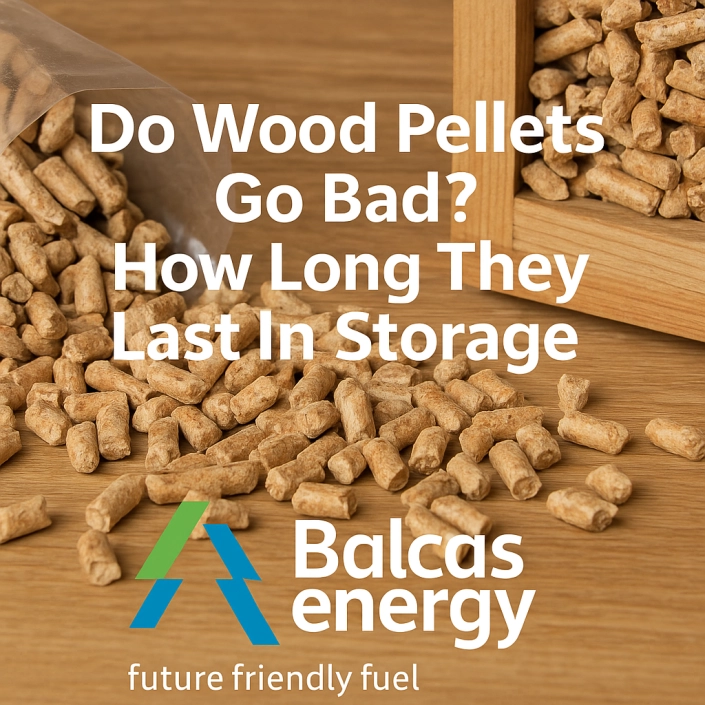
Do Wood Pellets Go Bad? How Long They Last in Storage
Why Pellet Storage Matters

Wood pellets offer an efficient, low-carbon way to heat your home. But like any natural fuel, they’re sensitive to moisture and handling. Many homeowners wonder—do wood pellets go bad in storage?
The answer depends entirely on how and where you keep them. This blog explains how long wood pellets last, what causes them to spoil, and how to store them properly to avoid waste and frustration.
What Are Wood Pellets Made Of?
Wood pellets are made from compressed sawdust, wood shavings, and other wood industry by-products. These materials are dried and compacted under high pressure to form small, dense pellets without the need for glues or chemicals. The natural lignin in the wood acts as a binding agent, giving each pellet its strength and shape.
Because pellets contain very little moisture—usually below 10%—they burn cleanly and efficiently. This also makes them sensitive to environmental conditions. Once exposed to damp air or water, they begin to absorb moisture and lose their structural integrity, which is why proper storage is essential.
Do Wood Pellets Expire or Go Off?
Wood pellets don’t have a strict expiry date, but they can definitely go bad if stored incorrectly. When kept in a dry, stable environment, high-quality pellets can retain their integrity for up to a year or more. However, exposure to moisture, air, or physical damage will quickly degrade them.
As soon as pellets absorb water or high humidity, they begin to swell, crumble, and break apart. This not only reduces their energy output but can also cause blockages in pellet stoves and boilers. So while pellets don’t technically expire, their condition relies entirely on how well they’re stored.
What Causes Pellets to Go Bad?
The most common cause of pellet degradation is moisture. Even slight dampness can weaken the structure, causing pellets to expand, crumble, or dissolve completely. This can happen from direct water contact, high humidity, or condensation inside storage areas.
Poor ventilation also plays a role, especially in tightly sealed sheds or containers where moisture can build up unnoticed. In bulk storage, crushed pellets at the bottom of a hopper can compact and form dust, which clogs feeding systems. Exposure to extreme temperature changes may also impact pellet stability over time.
To keep pellets in good condition, you need to control all of these environmental risks.
How Long Do Pellets Last in Storage?
When stored correctly, wood pellets can last anywhere from 6 to 12 months without losing quality. In ideal conditions—dry, well-ventilated, and temperature-stable—they may even remain usable for longer. However, their shelf life decreases significantly if they’re exposed to moisture or stored in poor conditions.
Bagged pellets tend to last longer when kept sealed and off the ground. Once a bag is opened, it’s important to reseal it tightly to prevent damp air from getting in. Bulk pellets, stored in a dry hopper or silo, can also retain their quality for months—provided the storage is clean and airtight.
Best Storage Tips to Keep Pellets Fresh
To preserve the quality of your wood pellets, always store them in a dry, sheltered, and well-ventilated location. Garages, sheds, or utility rooms work well, as long as they’re protected from leaks, condensation, and rising damp. Avoid outdoor areas unless the pellets are kept in a sealed, waterproof container.
Stack bagged pellets on wooden pallets or shelving to keep them off the floor and allow air to circulate underneath. Never store them directly on concrete, which can retain and transfer moisture. Once opened, reseal bags tightly using clips or tape to limit air exposure and prevent clumping or dust buildup.
Proper storage extends the lifespan of your pellets and keeps your heating system running efficiently.
Bulk Pellet Storage Advice
Storing wood pellets in bulk requires a bit more planning, but it offers excellent convenience and long-term savings. Use a purpose-built hopper, silo, or indoor storage tank that’s designed to keep pellets dry, ventilated, and protected from the elements. These units should be fully sealed with proper air outlets to avoid moisture build-up.
Ensure your pellet store has the correct fittings for delivery, like a male A400 camlock if you’re using Balcas Energy bulk deliveries. Regularly check for signs of condensation, pellet dust buildup, or compacted material at the base, and clean out the storage unit between refills to prevent blockages or contamination.
A well-maintained storage system helps preserve pellet quality and keeps your biomass appliance working at peak efficiency.
Can You Still Use Damaged Pellets?
Using damaged or damp pellets in your boiler or stove is not recommended. Crumbled or swollen pellets can clog the feed system, cause uneven burning, and reduce heat output. In severe cases, they may lead to appliance malfunctions or increased maintenance costs.
While slightly dusty pellets may still burn, those that have absorbed moisture or lost shape should be discarded. Burning poor-quality fuel can create more ash, affect combustion, and shorten the life of your heating system. It’s better to dispose of spoiled pellets safely and replace them with a fresh, dry batch from a trusted supplier.
Conclusion: Store Right, Burn Bright
Wood pellets don’t exactly expire, but poor storage can quickly ruin them. Moisture, poor ventilation, and careless handling are the main culprits. With the right setup, your pellets can last for many months and still deliver efficient, reliable heat.
Whether you store bagged pellets in a shed or bulk pellets in a hopper, keeping them dry and protected is essential. Regular checks and good storage habits will save you time, money, and unnecessary stress during the heating season.
By storing your pellets properly, you’ll enjoy a cleaner burn, fewer blockages, and maximum value from every delivery.
FAQs About Wood Pellets Going Bad
1. Do wood pellets go bad over time?
Yes, if you store them improperly. Exposure to moisture causes pellets to crumble, reducing efficiency and making them unusable in stoves or boilers.
2. How long do wood pellets last in storage?
When you store pellets correctly in a dry, ventilated space, they can last up to two years without losing quality.
3. What are the signs that wood pellets have gone bad?
Bad pellets often appear swollen, crumbled, or dusty. They may not ignite properly and produce more ash when burned.
4. How can I keep wood pellets in good condition?
Store pellets off the ground, in sealed bags or hoppers, and away from dampness to preserve quality and efficiency.
5. Can old wood pellets damage my boiler or stove?
Yes. Poor-quality or damaged pellets can clog feeders, reduce combustion efficiency, and increase maintenance needs.
About Balcas Energy
Balcas Energy is one of the UK’s leading manufacturers and suppliers of ENplus® A1 wood pellets, providing sustainable heating solutions across the UK and Ireland.
📍 Enniskillen, Northern Ireland
☎ 028 6632 3003


Leave a Reply
Want to join the discussion?Feel free to contribute!