Is It Cheaper to Burn Wood or Wood Pellets?

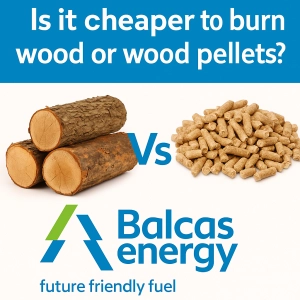
Is it cheaper to burn wood or wood pellets


Is It Cheaper to Burn Wood or Wood Pellets?

Many households ask the same question every winter: is it cheaper to burn wood or wood pellets? The answer depends on fuel quality, appliance efficiency, and overall convenience. While both options are renewable, wood pellets often deliver better value over time.

Comparing the Price of Logs and Wood Pellets

At first glance, firewood logs appear cheaper than wood pellets. However, logs often contain higher moisture levels, meaning less usable energy per unit. Pellets are manufactured with consistent density and low moisture, so nearly all their energy is converted into heat. This efficiency helps offset any higher upfront cost.

Appliance Efficiency Makes a Difference

Modern pellet boilers and stoves achieve efficiency rates above 90%. Open fires or traditional wood burners rarely exceed 50–60%. This means more fuel is wasted when burning logs. With pellets, less fuel is needed to achieve the same warmth, lowering costs across the heating season.

Convenience and Storage Costs

Pellets are easy to store, transport, and handle. They come in bags or bulk deliveries, requiring less space than stacked logs. Logs demand more storage area, must be kept dry, and often need splitting or seasoning. For many homeowners, this extra time and effort adds hidden costs.

Environmental Considerations

Both fuels are renewable, but pellets are carbon-neutral and produced using by-products of the timber industry. Consistent quality ensures cleaner combustion and fewer emissions. This not only benefits the environment but also reduces maintenance costs by keeping appliances cleaner for longer.

The Bottom Line

So, is it cheaper to burn wood or wood pellets? When efficiency, storage, and long-term savings are considered, pellets usually win. While logs may seem cheaper initially, wood pellets deliver more heat, greater convenience, and better value overall.

For more information or to purchase, contact Balcas Energy today.

FAQs About Burning Wood vs Wood Pellets

1. Are wood pellets cheaper than logs for heating?

Yes. Although logs may seem cheaper initially, pellets provide more heat per kilogram due to their low moisture and higher efficiency.

2. Which is more efficient: wood pellets or logs?

Wood pellets are far more efficient. Modern pellet boilers achieve over 90% efficiency, while log burners often reach only 50–60%.

3. Do wood pellets produce less ash than logs?

Yes. High-quality ENplus® A1 wood pellets create very little ash compared to logs, reducing cleaning and improving heating performance.

4. Are wood pellets better for the environment than burning logs?

Yes. Pellets are carbon neutral, sustainably produced, and burn cleaner than logs, which can release more particulates and smoke.

About Balcas Energy

Balcas Energy is one of the UK’s leading manufacturers and suppliers of ENplus® A1 wood pellets, providing sustainable heating solutions across the UK and Ireland.

📍 Enniskillen, Northern Ireland

☎ 028 6632 3003

Is It Cheaper to Buy Wood Pellets in Bulk for Winter 2025?

Is It Cheaper to Buy Wood Pellets in Bulk for Winter 2025?

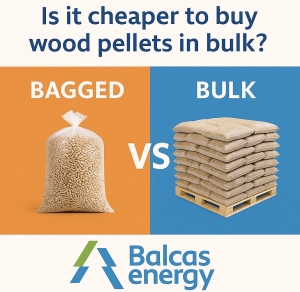
Is it cheaper to buy wood pellets in bulk


Rising heating costs have many homeowners and businesses asking: is it cheaper to buy wood pellets in bulk for winter 2025? The short answer is yes. Buying bulk wood pellets often lowers the price per tonne, reduces delivery costs, and offers added convenience. Balcas Energy explains why bulk deliveries make financial and practical sense for many customers.

Bulk Wood Pellets Lower the Cost Per Tonne

When ordering bagged pellets, you pay not just for the fuel but also for packaging, stacking, and handling. Bulk deliveries eliminate these extra steps, which helps reduce the cost per tonne. Customers who burn larger volumes across the winter 2025 heating season often see the biggest savings.

Bulk Deliveries Reduce Transportation Costs

Another reason bulk wood pellets are cheaper involves delivery efficiency. Instead of multiple pallet drops, a single bulk delivery fills your fuel store in one visit. This lowers transport costs and helps keep your pellet price stable. Balcas Energy delivers directly in purpose-built vehicles, ensuring quick and safe unloading.

Bulk Storage Provides Long-Term Value

If you have a fuel store or silo, bulk delivery ensures you always have pellets available. This avoids urgent re-orders or smaller top-ups, which are usually more expensive. With careful storage, pellets stay dry and in excellent condition, keeping their high efficiency.

Bulk Orders Support Sustainability

Bulk pellets for winter 2025 also reduce packaging waste. Fewer bags mean less plastic to recycle or dispose of, helping customers lower their environmental footprint. By choosing Balcas Energy bulk deliveries, you save money while supporting sustainable heating.

Conclusion

So, is it cheaper to buy wood pellets in bulk for winter 2025? For households and businesses with suitable storage, the answer is clear. Bulk deliveries reduce your price per tonne, lower transport costs, and support sustainability. Balcas Energy offers reliable bulk deliveries across the UK and Ireland, giving you peace of mind and long-term savings.

FAQs About Buying Wood Pellets in Bulk

1. Is it cheaper to buy wood pellets in bulk?

Yes. Bulk pellets usually cost less per tonne because packaging and handling costs are removed, making them more economical for regular users.

2. How much storage space do I need for bulk wood pellets?

You’ll need a sealed hopper or silo that is dry, ventilated, and large enough to hold multiple tonnes of pellets.

3. Are bulk wood pellets better for the environment?

Yes. Bulk deliveries reduce plastic packaging waste and transport emissions, making them a more sustainable heating choice.

4. Can I switch from bagged pellets to bulk delivery?

Yes. Many customers start with bagged pellets and later upgrade to bulk delivery once they install suitable storage systems.

About Balcas Energy

Balcas Energy is one of the UK’s leading manufacturers and suppliers of ENplus® A1 wood pellets, providing sustainable heating solutions across the UK and Ireland.

📍 Enniskillen, Northern Ireland

☎ 028 6632 3003
Do Wood Pellets Have Fuel in Them?

Do Wood Pellets Have Fuel in Them? The Simple Answer

Do Wood Pellets Have Fuel in Them


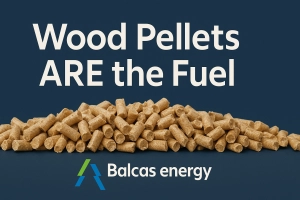
When people first hear about biomass energy, they often ask: do wood pellets have fuel in them? The answer is simple. Wood pellets are the fuel. They are made from compressed sawdust and wood shavings, creating a dense and efficient energy source. Unlike fossil fuels, they do not require additional fuel to burn. Instead, their natural composition provides the energy.

What Are Wood Pellets Made From?

Wood pellets are manufactured from sawdust, shavings, and offcuts left over from the timber industry. These by-products are dried, ground down, and compressed into small, dense pellets. The natural lignin in the wood acts as a binder, holding each pellet together without chemicals or additives. This makes them a clean and natural form of fuel.

How Do Wood Pellets Produce Heat?

When burned in a stove or boiler, wood pellets release the energy stored in the wood fibres. Their high density and low moisture content mean they burn more efficiently than logs or woodchips. This results in a steady, reliable heat output. The combustion process produces minimal ash and low emissions, making them both effective and environmentally friendly.

Why Choose Wood Pellets Over Fossil Fuels?

Fossil fuels such as oil and gas release stored carbon that has been locked away for millions of years. This adds harmful greenhouse gases to the atmosphere. In contrast, wood pellets are carbon neutral. The carbon released during burning is reabsorbed by new trees planted in sustainable forests. This cycle makes wood pellets a renewable, eco-friendly fuel.

The Bottom Line

So, do wood pellets have fuel in them? Yes — because they are the fuel. They provide efficient, renewable, and cost-effective heating for homes and businesses. By choosing Balcas Energy wood pellets, you reduce reliance on fossil fuels and support a cleaner, greener future.

FAQs About Wood Pellets as Fuel

1. Do wood pellets have fuel in them?

Wood pellets are the fuel. They are made from compressed sawdust and wood shavings, containing natural energy stored in the wood.

2. How do wood pellets burn compared to logs?

Pellets burn hotter and more consistently than logs because of their density and low moisture, giving higher efficiency and less waste.

3. Do manufacturers add chemicals to wood pellets?

No. Quality wood pellets contain no chemicals or glue. Natural lignin in the wood binds pellets during compression.

4. Are wood pellets renewable fuel?

Yes. Pellets are carbon neutral when sourced from sustainable forests, as new trees reabsorb the carbon released during burning.

About Balcas Energy

Balcas Energy is one of the UK’s leading manufacturers and suppliers of ENplus® A1 wood pellets, providing sustainable heating solutions across the UK and Ireland.

📍 Enniskillen, Northern Ireland

☎ 028 6632 3003
Is Wood Pellet Heating Expensive?

Is Wood Pellet Heating Expensive?

Is Wood Pellet Heating Expensive


With rising energy costs, many households are exploring renewable options. One common question is: is wood pellet heating expensive? The answer depends on pellet quality, system efficiency, and how pellet prices compare to traditional fuels like oil, gas, or electricity.

Comparing Costs with Fossil Fuels

Wood pellet heating is often cheaper than heating oil or LPG. Pellet prices are more stable because they come from local, renewable sources. Oil and gas prices fluctuate based on global markets, making them unpredictable. Over time, pellets provide a more consistent and manageable energy cost.

Efficiency of Pellet Appliances

Modern pellet boilers and stoves achieve efficiency levels of 85–95%. This means more of the fuel’s energy becomes usable heat. Compared to older oil or coal systems, pellet heating reduces waste and maximises value. High efficiency translates into lower running costs across the heating season.

Upfront Investment vs Long-Term Savings

Installing a pellet boiler or stove requires an initial investment, often higher than replacing a standard gas boiler. However, long-term savings from lower fuel costs and government incentives can offset this quickly. When viewed over several years, wood pellet heating becomes cost-effective and sustainable.

Factors That Influence Pellet Costs

Pellet heating costs vary based on fuel quality, delivery method, and storage capacity. Bulk pellets are usually cheaper per tonne than bagged pellets. Buying in advance or during off-peak months can also reduce costs. Quality matters—high-grade pellets burn more efficiently, saving money over time.

Additional Benefits Beyond Cost

Pellet heating delivers more than financial value. It reduces carbon emissions, supports local jobs, and uses renewable forestry by-products. Choosing pellet heating means investing in energy security as well as household comfort.

Conclusion: Affordable and Future-Friendly

So, is wood pellet heating expensive? Not when compared fairly with fossil fuels and inefficient systems. Although the initial investment can be higher, lower running costs, price stability, and environmental benefits make wood pellet heating an affordable, future-friendly solution.

FAQs About Wood Pellet Heating Costs

1. Is wood pellet heating more expensive than oil or gas?

No. Wood pellet heating is usually cheaper than oil or LPG and offers more price stability than fossil fuels.

2. What makes wood pellet heating cost-effective?

High efficiency, stable pricing, and locally sourced production make pellets more affordable long-term compared to fluctuating fossil fuel prices.

3. Does installing a pellet boiler cost more upfront?

Yes. Pellet boilers often cost more initially, but long-term savings on fuel and maintenance usually offset the higher investment.

4. How can I reduce wood pellet heating costs further?

Order in bulk, store pellets correctly, and maintain your boiler regularly to maximise efficiency and minimise fuel use.

About Balcas Energy

Balcas Energy is one of the UK’s leading manufacturers and suppliers of ENplus® A1 wood pellets, providing sustainable heating solutions across the UK and Ireland.

📍 Enniskillen, Northern Ireland

☎ 028 6632 3003
What Are the Advantages of Wood Pellets for Winter 2025?

What are the advantages of wood pelletsWhy More People Choose Wood Pellets

What are the advantages of wood pellets for winter 2025? As energy costs rise and environmental concerns grow, many homeowners and businesses are turning to renewable heating solutions.

Wood pellets have become a popular choice because they combine efficiency, affordability, and sustainability. Made from compressed sawdust and wood shavings, they offer a clean-burning alternative to fossil fuels, helping users reduce both costs and emissions.

High Energy Efficiency

Wood pellets are manufactured to a consistent size and density, allowing them to burn more efficiently than traditional logs or woodchips. Their low moisture content—typically under 10%—means more energy is converted into heat rather than lost through evaporation. This efficiency helps keep rooms warmer for longer while using less fuel.

Renewable and Sustainable

Pellets are made from by-products of the timber industry, such as sawdust, which would otherwise go to waste. When sourced from sustainably managed forests, they are part of a carbon-neutral cycle. Responsible producers, like Balcas Energy, replant more trees than they harvest, ensuring a constant, renewable supply of raw material.

Low Emissions and Cleaner Burning

Burning wood pellets produces significantly fewer carbon emissions compared to oil, gas, or coal. High-quality ENplus® A1 certified pellets also generate minimal ash and particulates, resulting in cleaner air and reduced appliance maintenance. This makes them a healthier choice for both people and the environment.

Cost-Effective Heating

Pellet stoves and boilers are often more affordable to run than fossil fuel systems. With bulk delivery options and stable local supply chains, pellet prices remain competitive. Long-term savings come from efficient combustion, lower maintenance needs, and fewer fuel deliveries.

Versatility and Convenience

Wood pellets can be used in a variety of appliances, from small domestic stoves to large commercial biomass boilers. Bagged pellets are easy to store and handle, while bulk deliveries suit high-demand users. Automatic feed systems make heating almost effortless.

Conclusion: A Smarter Choice for the Future

The advantages of wood pellets for winter 2025 go beyond cost and convenience—they offer a cleaner, greener way to heat homes and businesses. By choosing certified, sustainably sourced pellets, users can enjoy efficient heating while supporting renewable energy and environmental responsibility.

Still unsure as to what are the advantages of wood pellets? Contact Balcas Energy today.

FAQs About the Advantages of Wood Pellets

1. What are the main advantages of wood pellets?

Wood pellets are efficient, renewable, carbon neutral, and cost-effective. They also produce low ash and deliver consistent, clean heat.

2. Are wood pellets better for the environment than fossil fuels?

Yes. Pellets are made from sustainable timber by-products and release far fewer emissions than oil, coal, or natural gas.

3. Do wood pellets save money compared to other heating fuels?

Yes. Pellet prices are more stable than fossil fuels, and high efficiency means households use less fuel for the same heat.

4. Can wood pellets be used in both homes and businesses?

Yes. Wood pellets power stoves and boilers for households, as well as larger biomass systems in schools, hospitals, and businesses.

About Balcas Energy

Balcas Energy is one of the UK’s leading manufacturers and suppliers of ENplus® A1 wood pellets, providing sustainable heating solutions across the UK and Ireland.

📍 Enniskillen, Northern Ireland

☎ 028 6632 3003
How Long Do 20kg of Wood Pellets Last for Winter 2025?

How long do 20kg of wood pellets lastWhy Pellet Usage Matters

Heating with Balcas Energy wood pellets is efficient and eco-friendly, but burn time depends on several factors. Knowing how long do 20kg of wood pellets last for winter 2025 helps plan orders, avoid mid-winter shortages, and manage heating costs effectively. This guide explains how long 20kg last typically, the main factors that influence usage, and tips to extend burn time.

Understanding Wood Pellet Energy Output

A standard 20kg (2x10kg bags) of high-quality wood pellets contains around 96kWh of usable energy. Your appliance’s output setting and run time determine how quickly that energy is used.

Running at full power burns pellets faster, while lower settings conserve fuel without sacrificing comfort in well-insulated spaces.

Average Burn Time for 20kg of Pellets

On a medium stove setting, most households find 20kg lasts between one and three days. A smaller stove running at low output could stretch a bag to nearly four days in mild conditions.

During colder months of winter 2025, expect faster consumption as your system works harder to maintain warmth.

Factors That Affect Pellet Consumption

Several factors influence how long 20kg lasts.

Appliance efficiency plays a major role—modern, well-maintained stoves and boilers use fuel more effectively.

Thermostat settings, room insulation, outside temperature, and even pellet quality affect burn rate.

High-quality ENplus® A1 pellets with low moisture content produce more heat per kilogram, making them last longer.

How to Make Your 20kg Last Longer in Winter 2025

Regularly service your stove or boiler to maintain efficiency.

Avoid running at maximum output continuously—use thermostatic control to match heat output to your needs.

Choose certified, low-moisture pellets for maximum energy and minimal ash production.

Ensure your home is well-insulated to reduce the heat your system must generate.

Conclusion: Plan for Efficient Heating

Understanding how long 20kg of wood pellets lasts allows you to plan ahead and manage heating costs more effectively.

With efficient appliances, quality pellets, and smart usage habits, you can extend burn time without losing comfort.

Efficient fuel management ensures lower running costs, consistent warmth, and reliable heating throughout winter 2025.

FAQs About 20kg of Wood Pellets

1. How long will a 20kg bag of wood pellets last?

On average, a 20kg bag lasts one to three days, depending on stove efficiency, thermostat settings, and outside temperatures.

2. What factors affect how quickly 20kg of pellets are used?

Pellet usage depends on appliance efficiency, home insulation, and heating demand. Higher output settings consume pellets faster.

3. How much energy is in a 20kg bag of pellets?

A 20kg bag contains roughly 96kWh of energy, providing efficient heating when used in a modern pellet appliance.

4. How many 20kg bags will I need for winter?

An average home may use 150–250 bags per winter, depending on weather conditions and the home’s energy efficiency.

About Balcas Energy

Balcas Energy is one of the UK’s leading manufacturers and suppliers of ENplus® A1 wood pellets, providing sustainable heating solutions across the UK and Ireland.

📍 Enniskillen, Northern Ireland

☎ 028 6632 3003

What is the Use of Wood Pellets?

A Versatile Renewable Fuel

What is the use of wood pellets


What is the use of wood pellets? Wood pellets have become one of the fastest-growing renewable heating fuels in the UK and beyond. They offer a sustainable, low-carbon alternative to traditional fossil fuels like coal, oil, and gas. Produced from compressed sawdust and wood shavings, pellets burn efficiently while producing minimal ash and emissions. This makes them suitable for a wide range of residential, commercial, and industrial uses. Understanding the different applications helps homeowners and businesses make informed energy choices.

Heating Homes Efficiently

One of the most common uses of wood pellets is home heating. Pellet stoves and boilers provide a reliable, controllable heat source. They can heat a single room or, when connected to central heating, warm an entire home. Because pellets are a consistent, manufactured fuel, they burn more predictably than logs or woodchips. Homeowners benefit from steady heat output, reduced maintenance, and lower carbon emissions compared to fossil fuel systems.

Powering Commercial and Industrial Heating Systems

Businesses and public sector buildings increasingly use wood pellet boilers to reduce heating costs and improve sustainability. Schools, hospitals, hotels, and offices can install large-scale biomass systems to meet high heat demand efficiently. In these applications, we often deliver pellets in bulk, ensuring a steady fuel supply without constant manual handling. By switching to biomass wood pellets, commercial users can cut greenhouse gas emissions and improve their environmental credentials.

Supporting Renewable Energy Generation

Wood pellets are also used in renewable electricity generation. Some power plants burn pellets instead of coal, lowering their overall carbon footprint. In combined heat and power (CHP) plants, pellets produce both electricity and heat, maximising efficiency. This approach helps national energy grids reduce reliance on fossil fuels while still meeting demand.

Specialised Uses Beyond Heating

Beyond heating and power, wood pellets have niche uses. They are sometimes used in wood pellet barbecues, offering a cleaner and more consistent cooking fuel. Some industrial processes also use pellets for high-temperature heating needs where consistent burn quality is essential.

Conclusion: A Flexible, Low-Carbon Solution

The use of wood pellets extends far beyond residential heating. From powering homes to running large-scale industrial systems, they offer a clean, efficient, and renewable fuel choice. Whether delivered in bags for household use or supplied in bulk for commercial demand, pellets remain a reliable energy source with environmental benefits. Choosing certified, high-quality Balcas Energy pellets ensures the best performance and supports a sustainable future.

FAQs About the Use of Wood Pellets

1. What are wood pellets mainly used for?

Pellets are primarily used for heating homes and businesses in stoves, boilers, and large biomass heating systems.

2. Can pellets be used for cooking?

Yes. You can use food-grade wood pellets in pizza ovens, barbecues, and smokers to provide consistent heat and authentic flavour.

3. Are wood pellets suitable for commercial energy use?

Yes. Many schools, hospitals, and businesses use wood pellet boilers to provide reliable, sustainable, and cost-effective heating on a large scale.

4. Do wood pellets help reduce carbon emissions?

Yes. Wood pellets are a carbon-neutral fuel. The carbon released during burning is reabsorbed by newly planted trees, balancing emissions.

5. Are pellets versatile compared to other fuels?

Yes. Pellets you can store them easily, they burn efficiently, and suitable for both domestic heating and commercial applications.

About Balcas Energy

Balcas Energy is one of the UK’s leading manufacturers and suppliers of ENplus® A1 wood pellets, providing sustainable heating solutions across the UK and Ireland.

📍 Enniskillen, Northern Ireland

☎ 028 6632 3003

Do Wood Pellets Go Bad? How Long They Last in Storage

Why Pellet Storage Matters

Do Wood Pellets Go Bad
Wood pellets offer an efficient, low-carbon way to heat your home. But like any natural fuel, they’re sensitive to moisture and handling. Many homeowners wonder—do wood pellets go bad in storage?

The answer depends entirely on how and where you keep them. This blog explains how long wood pellets last, what causes them to spoil, and how to store them properly to avoid waste and frustration.

What Are Wood Pellets Made Of?

Wood pellets are made from compressed sawdust, wood shavings, and other wood industry by-products. These materials are dried and compacted under high pressure to form small, dense pellets without the need for glues or chemicals. The natural lignin in the wood acts as a binding agent, giving each pellet its strength and shape.

Because pellets contain very little moisture—usually below 10%—they burn cleanly and efficiently. This also makes them sensitive to environmental conditions. Once exposed to damp air or water, they begin to absorb moisture and lose their structural integrity, which is why proper storage is essential.

Do Wood Pellets Expire or Go Off?

Wood pellets don’t have a strict expiry date, but they can definitely go bad if stored incorrectly. When kept in a dry, stable environment, high-quality pellets can retain their integrity for up to a year or more. However, exposure to moisture, air, or physical damage will quickly degrade them.

As soon as pellets absorb water or high humidity, they begin to swell, crumble, and break apart. This not only reduces their energy output but can also cause blockages in pellet stoves and boilers. So while pellets don’t technically expire, their condition relies entirely on how well they’re stored.

What Causes Pellets to Go Bad?

The most common cause of pellet degradation is moisture. Even slight dampness can weaken the structure, causing pellets to expand, crumble, or dissolve completely. This can happen from direct water contact, high humidity, or condensation inside storage areas.

Poor ventilation also plays a role, especially in tightly sealed sheds or containers where moisture can build up unnoticed. In bulk storage, crushed pellets at the bottom of a hopper can compact and form dust, which clogs feeding systems. Exposure to extreme temperature changes may also impact pellet stability over time.

To keep pellets in good condition, you need to control all of these environmental risks.

How Long Do Pellets Last in Storage?

When stored correctly, wood pellets can last anywhere from 6 to 12 months without losing quality. In ideal conditions—dry, well-ventilated, and temperature-stable—they may even remain usable for longer. However, their shelf life decreases significantly if they’re exposed to moisture or stored in poor conditions.

Bagged pellets tend to last longer when kept sealed and off the ground. Once a bag is opened, it’s important to reseal it tightly to prevent damp air from getting in. Bulk pellets, stored in a dry hopper or silo, can also retain their quality for months—provided the storage is clean and airtight.

Best Storage Tips to Keep Pellets Fresh

To preserve the quality of your wood pellets, always store them in a dry, sheltered, and well-ventilated location. Garages, sheds, or utility rooms work well, as long as they’re protected from leaks, condensation, and rising damp. Avoid outdoor areas unless the pellets are kept in a sealed, waterproof container.

Stack bagged pellets on wooden pallets or shelving to keep them off the floor and allow air to circulate underneath. Never store them directly on concrete, which can retain and transfer moisture. Once opened, reseal bags tightly using clips or tape to limit air exposure and prevent clumping or dust buildup.

Proper storage extends the lifespan of your pellets and keeps your heating system running efficiently.

Bulk Pellet Storage Advice

Storing wood pellets in bulk requires a bit more planning, but it offers excellent convenience and long-term savings. Use a purpose-built hopper, silo, or indoor storage tank that’s designed to keep pellets dry, ventilated, and protected from the elements. These units should be fully sealed with proper air outlets to avoid moisture build-up.

Ensure your pellet store has the correct fittings for delivery, like a male A400 camlock if you’re using Balcas Energy bulk deliveries. Regularly check for signs of condensation, pellet dust buildup, or compacted material at the base, and clean out the storage unit between refills to prevent blockages or contamination.

A well-maintained storage system helps preserve pellet quality and keeps your biomass appliance working at peak efficiency.

Can You Still Use Damaged Pellets?

Using damaged or damp pellets in your boiler or stove is not recommended. Crumbled or swollen pellets can clog the feed system, cause uneven burning, and reduce heat output. In severe cases, they may lead to appliance malfunctions or increased maintenance costs.

While slightly dusty pellets may still burn, those that have absorbed moisture or lost shape should be discarded. Burning poor-quality fuel can create more ash, affect combustion, and shorten the life of your heating system. It’s better to dispose of spoiled pellets safely and replace them with a fresh, dry batch from a trusted supplier.

Conclusion: Store Right, Burn Bright

Wood pellets don’t exactly expire, but poor storage can quickly ruin them. Moisture, poor ventilation, and careless handling are the main culprits. With the right setup, your pellets can last for many months and still deliver efficient, reliable heat.

Whether you store bagged pellets in a shed or bulk pellets in a hopper, keeping them dry and protected is essential. Regular checks and good storage habits will save you time, money, and unnecessary stress during the heating season.

By storing your pellets properly, you’ll enjoy a cleaner burn, fewer blockages, and maximum value from every delivery.

FAQs About Wood Pellets Going Bad

1. Do wood pellets go bad over time?

Yes, if you store them improperly. Exposure to moisture causes pellets to crumble, reducing efficiency and making them unusable in stoves or boilers.

2. How long do wood pellets last in storage?

When you store pellets correctly in a dry, ventilated space, they can last up to two years without losing quality.

3. What are the signs that wood pellets have gone bad?

Bad pellets often appear swollen, crumbled, or dusty. They may not ignite properly and produce more ash when burned.

4. How can I keep wood pellets in good condition?

Store pellets off the ground, in sealed bags or hoppers, and away from dampness to preserve quality and efficiency.

5. Can old wood pellets damage my boiler or stove?

Yes. Poor-quality or damaged pellets can clog feeders, reduce combustion efficiency, and increase maintenance needs.

About Balcas Energy

Balcas Energy is one of the UK’s leading manufacturers and suppliers of ENplus® A1 wood pellets, providing sustainable heating solutions across the UK and Ireland.

📍 Enniskillen, Northern Ireland

☎ 028 6632 3003

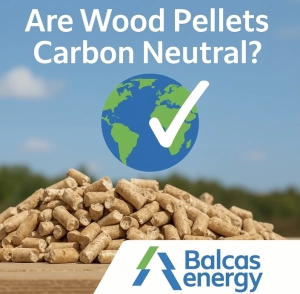
Are Wood Pellets Carbon Neutral? The Facts

Are wood pellets carbon neutral

Why Carbon Neutrality Matters

The world is shifting towards cleaner, greener energy. As heating bills rise and climate concerns grow, many turn to renewable alternatives. They are gaining popularity across the UK—but are wood pellets carbon neutral?

This blog explores the facts behind biomass fuel, carbon cycles, and sustainable sourcing. If you’re heating your home with wood pellets or considering the switch, here’s what you need to know.

What Does ‘Carbon Neutral’ Mean?

Carbon neutrality means the amount of carbon dioxide released is balanced by the amount absorbed or offset. In other words, the fuel doesn’t contribute extra carbon to the atmosphere. For biomass fuels like wood pellets, the goal is to create a closed carbon loop. The CO₂ released during burning should match what the trees absorbed while growing.

Wood pellets differ from fossil fuels because their carbon is already part of the natural cycle. Unlike coal or oil, which release ancient carbon, wood pellets recycle what was recently captured. When managed responsibly, this cycle keeps emissions balanced and supports long-term sustainability.

How Are Wood Pellets Made?

Wood pellets are produced by compressing sawdust and wood shavings—usually waste from sawmills and timber processing. The raw material is dried to remove moisture, then pressed through a die under high pressure. This creates small, dense pellets without the need for glues or chemical additives.

At Balcas Energy, we power this process using renewable electricity from our own Combined Heat and Power (CHP) plants. This ensures the production stage generates minimal emissions. Because the energy and materials are sourced sustainably, the entire manufacturing process supports the goal of carbon neutrality.

The Carbon Cycle and Trees

Trees absorb carbon dioxide from the atmosphere as they grow. This CO₂ is stored in their trunks, branches, and leaves. When trees are harvested and turned into biomass wood pellets, that stored carbon remains in the material until it’s released through combustion.

Burning wood pellets returns the carbon back into the atmosphere. However, because new trees are planted to replace those harvested, the carbon is reabsorbed. This natural cycle keeps carbon levels balanced—provided the forestry is managed responsibly.

With every tree used in our production, Balcas Energy plants four more. This ongoing replanting supports the carbon cycle and helps ensure wood pellets remain a carbon-neutral fuel.

Do Wood Pellets Emit Carbon When Burned?

Yes, burning wood pellets does release carbon dioxide. However, this is not the same as burning fossil fuels. The CO₂ released during combustion comes from carbon that was recently captured by the tree during its growth.

This makes wood pellets part of a short-term carbon cycle, unlike fossil fuels that release carbon stored underground for millions of years. As long as new trees are planted and forests are properly managed, this cycle remains balanced.

That’s why biomass wood pellets are considered carbon neutral—they release carbon, but it’s carbon that would have re-entered the atmosphere through natural decay anyway.

Why Sourcing and Sustainability Matter

Not all wood pellets are carbon neutral by default—their impact depends heavily on how the wood is sourced and managed. If forests are overharvested or not replanted, the balance of the carbon cycle is broken. This leads to a net increase in emissions rather than a reduction.

At Balcas Energy, we only use timber from sustainably managed forests. For every tree we harvest, four more are planted. This ensures a continuous supply of raw material while preserving forest ecosystems and absorbing future emissions.

Sustainable sourcing guarantees that your heating fuel doesn’t come at the expense of the environment. It’s the foundation of truly carbon-neutral wood pellets.

Transport and Processing Emissions

While wood pellets themselves are carbon neutral, it’s important to consider emissions from transport and processing. Moving raw materials and finished pellets requires fuel, and inefficient logistics can add to a product’s overall carbon footprint.

At Balcas Energy, we reduce this impact by using our own biomass-powered Combined Heat and Power (CHP) plants. These provide 100% renewable energy for pellet production. We also prioritise local sourcing and regional delivery networks to minimise transport distances.

By producing and distributing our pellets efficiently, we keep emissions low across the entire supply chain—supporting the goal of clean, carbon-neutral heating.

How Wood Pellets Compare to Fossil Fuels

Fossil fuels like coal, oil, and gas release carbon that’s been locked underground for millions of years. Once burned, that carbon adds directly to the atmosphere—fueling global warming.

In contrast, wood pellets recycle recently captured carbon. When sourced and burned responsibly, they produce up to 90% fewer carbon emissions than oil. They also generate less ash and fewer pollutants, making them cleaner for both the environment and your heating system.

Switching from fossil fuels to biomass wood pellets is one of the most effective ways to reduce household carbon emissions today.

Independent Certifications and Standards

Certifications help verify that wood pellets meet recognised standards for quality and sustainability. Without them, it’s difficult to know what you’re really burning.

Look for ENplus® A1 certification—it guarantees low moisture, minimal ash, and high energy efficiency. This standard also ensures responsible handling and storage throughout the supply chain.

Sustainability labels like FSC or PEFC confirm that the raw material comes from responsibly managed forests. At Balcas Energy, we meet these standards to give customers peace of mind.

Certified pellets not only burn better—they help ensure your heating fuel truly supports a lower-carbon future.

What This Means for Your Home

Choosing biomass wood pellets for heating offers more than just lower bills—it’s a practical way to reduce your environmental impact. By using pellets from a certified, sustainable supplier, you actively support carbon neutrality and responsible forestry.

Pellets are easy to store, efficient to burn, and compatible with a wide range of stoves and boilers. They also produce less mess, ash, and maintenance compared to traditional fuels.

Switching to wood pellets helps cut emissions without compromising comfort. For eco-conscious households, it’s a smart and future-friendly choice.

Conclusion: Yes, With the Right Supplier

Wood pellets are carbon neutral—when sourced, produced, and delivered responsibly. They release carbon, but only what trees recently absorbed. That’s what makes them a powerful alternative to fossil fuels.

At Balcas Energy, we produce biomass wood pellets using renewable energy and sustainable forestry. We manage every step of the process—from forest to flame—with the environment in mind.

If you’re looking to lower your emissions and heat your home efficiently, choose a trusted supplier. Carbon-neutral heating starts with responsible decisions—and it starts here.

FAQs About Wood Pellets and Carbon Neutrality

1. Are wood pellets really carbon neutral?

Yes. The carbon released when burning pellets is reabsorbed by newly planted trees, creating a balanced, sustainable carbon cycle.

2. How do wood pellets reduce carbon emissions compared to fossil fuels?

Pellets are made from sawmill by-products and renewable forestry. Unlike oil or gas, they do not release stored fossil carbon.

3. Does the production of wood pellets impact their carbon neutrality?

No. At Balcas Energy, pellet production uses renewable electricity from CHP plants, ensuring the process remains carbon neutral.

4. Are wood pellets better for the environment than coal or oil?

Yes. Pellets burn cleaner, produce fewer particulates, and support sustainable forestry, making them far greener than fossil fuel alternatives.

5. Can using wood pellets help meet climate targets?

Yes. By replacing fossil fuels with carbon-neutral pellets, households and businesses contribute to emission reductions and renewable energy goals.

About Balcas Energy

Balcas Energy is one of the UK’s leading manufacturers and suppliers of ENplus® A1 wood pellets, providing sustainable heating solutions across the UK and Ireland.

📍 Enniskillen, Northern Ireland

☎ 028 6632 3003

UK Wood Pellet Suppliers: What to Look For

UK Wood Pellet Suppliers

UK Wood Pellet Suppliers: What to Look For

Not all wood pellet suppliers are the same. Choosing the wrong one can lead to poor fuel quality, late deliveries, and heating problems.
Whether you use pellets for a boiler, stove, or biomass system, your supplier plays a crucial role. This guide explains what to look for when choosing UK wood pellet suppliers—so you get clean, reliable fuel every time.

Why Your Wood Pellet Supplier Matters

Your heating system depends on consistent, high-quality fuel to run efficiently. A reliable supplier delivers pellets that burn cleanly and meet proper standards. Poor-quality pellets can block feed systems, create excess ash, and damage your appliance.

Late or missed deliveries can leave you without heat when you need it most. The right supplier provides support, advice, and dependable service year-round. Choosing carefully now prevents costly issues later.

Check for ENplus® A1 Certification

Always look for ENplus® A1 certification when buying wood pellets in the UK. This standard guarantees low moisture, ash, and dust levels.
Certified pellets burn more efficiently and protect your boiler from damage.

Suppliers must meet strict handling and delivery standards under ENplus rules. Ask for proof of certification—reputable suppliers will provide it without hesitation.

Avoid buying uncertified pellets, even if they seem cheaper. Low-grade fuel can cost more in maintenance and lost efficiency over time.

Look for Sustainable Sourcing

A trustworthy supplier uses wood from responsibly managed sources or sawmill by-products. Look for sustainability certifications like FSC or PEFC where available. This ensures the pellets don’t contribute to deforestation or habitat damage.

Sustainably sourced pellets reduce your environmental footprint and support circular economies. Ask where the wood comes from and how it’s processed.

Reliable UK suppliers are open about their sourcing and proud of their green credentials. Sustainable fuel is better for your boiler—and the planet.

UK-Based Production and Delivery Network

Choosing a UK-based supplier supports local industry and reduces delivery emissions. Shorter transport routes mean your pellets arrive fresher and with lower carbon impact. Local suppliers often respond faster to orders and offer more flexible delivery options.

Ask if the supplier manufactures pellets in the UK or imports them. UK-produced pellets are more reliable during winter demand spikes or shipping disruptions.

Check depot locations to ensure coverage in your area. A strong delivery network means fewer delays and consistent supply all year round.

Flexible Delivery Options

A good supplier offers delivery options that suit your setup and schedule. Do they deliver both bagged and bulk wood pellets?

Bagged pellets are ideal for manual feeding and smaller storage spaces. Bulk deliveries suit automated systems and larger storage silos or hoppers.

Check if they offer tail-lift, pallet truck, or blower delivery services. Ask about access requirements—especially for rural or hard-to-reach properties.

Flexible delivery makes heating your home easier and avoids unnecessary disruption.

Transparent Pricing and No Hidden Charges

Clear, honest pricing is essential when choosing a wood pellet supplier. Check if the quote includes VAT, delivery, and any surcharges.

Some suppliers charge extra for rural locations or timed delivery slots. Ask about minimum order sizes and whether prices change with quantity. Good suppliers will give you a full breakdown of costs upfront.

Avoid companies that hide charges or change prices without notice. Transparency builds trust—and helps you plan your heating budget confidently.

Customer Reviews and Service Reputation

A supplier’s reputation tells you a lot about their reliability and service. Check reviews on platforms like Trustpilot, Google, or biomass heating forums.

Look for consistent feedback on pellet quality, delivery reliability, and customer support. Positive reviews often highlight fast response times and helpful advice. Be cautious if you see repeated complaints about late deliveries or poor-quality fuel.

Ask friends or neighbours who use wood pellets for recommendations. A trusted reputation means peace of mind throughout the heating season.

Technical Support and Expert Advice

Top suppliers offer more than just pellets—they also provide expert guidance and aftercare. You may need help with choosing the right fuel or troubleshooting your boiler. Some offer advice on storage setup, moisture control, and delivery fittings.

Look for suppliers with responsive customer service and real product knowledge. Support can save time and prevent costly system issues.

Having access to a knowledgeable team makes all the difference—especially in winter. Choose a supplier who’s easy to contact and willing to help.

Conclusion

Choosing the right UK wood pellet supplier ensures your heating stays efficient, reliable, and stress-free. Look for ENplus® A1 certification, sustainable sourcing, and UK-based production where possible.

A dependable supplier offers flexible delivery, transparent pricing, and strong customer support. Don’t settle for the cheapest option—invest in quality and service that lasts.

With the right supplier, your wood pellet heating becomes cleaner, simpler, and more cost-effective.

FAQs About UK Wood Pellet Suppliers

1. What should I look for in a UK wood pellet supplier?

Choose suppliers who offer ENplus® A1 certified pellets, reliable delivery, transparent pricing, and sustainable production practices.

2. Are all wood pellets in the UK the same quality?

No. Pellet quality varies. Always select certified suppliers like Balcas Energy to guarantee consistent performance and low ash content.

3. Do UK suppliers offer both bagged and bulk pellets?

Yes. Many suppliers provide bagged pellets for smaller users and bulk deliveries for households, farms, and commercial biomass systems.

4. Why choose a local UK pellet supplier?

Local suppliers reduce transport costs, ensure faster delivery, and support sustainable, home-grown fuel production.

5. Are UK wood pellet suppliers affected by global markets?

Less so than fossil fuels. Local pellet suppliers, like Balcas Energy, provide stable pricing and secure supply even during global disruptions.

About Balcas Energy

Balcas Energy is one of the UK’s leading manufacturers and suppliers of ENplus® A1 wood pellets, providing sustainable heating solutions across the UK and Ireland.

📍 Enniskillen, Northern Ireland

☎ 028 6632 3003