
What Are Biomass Wood Pellets?
What Are Biomass Wood Pellets? Here’s a Beginner’s Guide to this renewable fuel.
Wood pellets are one of the UK’s fastest-growing renewable heating solutions. They’re small, powerful, and made entirely from natural wood waste. This guide explains what wood pellets are, how we make them, and why more people are using them each year.
Whether you’re curious about biomass heating or just exploring cleaner fuel options—this beginner’s guide is a great place to start.
What Exactly Are Biomass Wood Pellets?
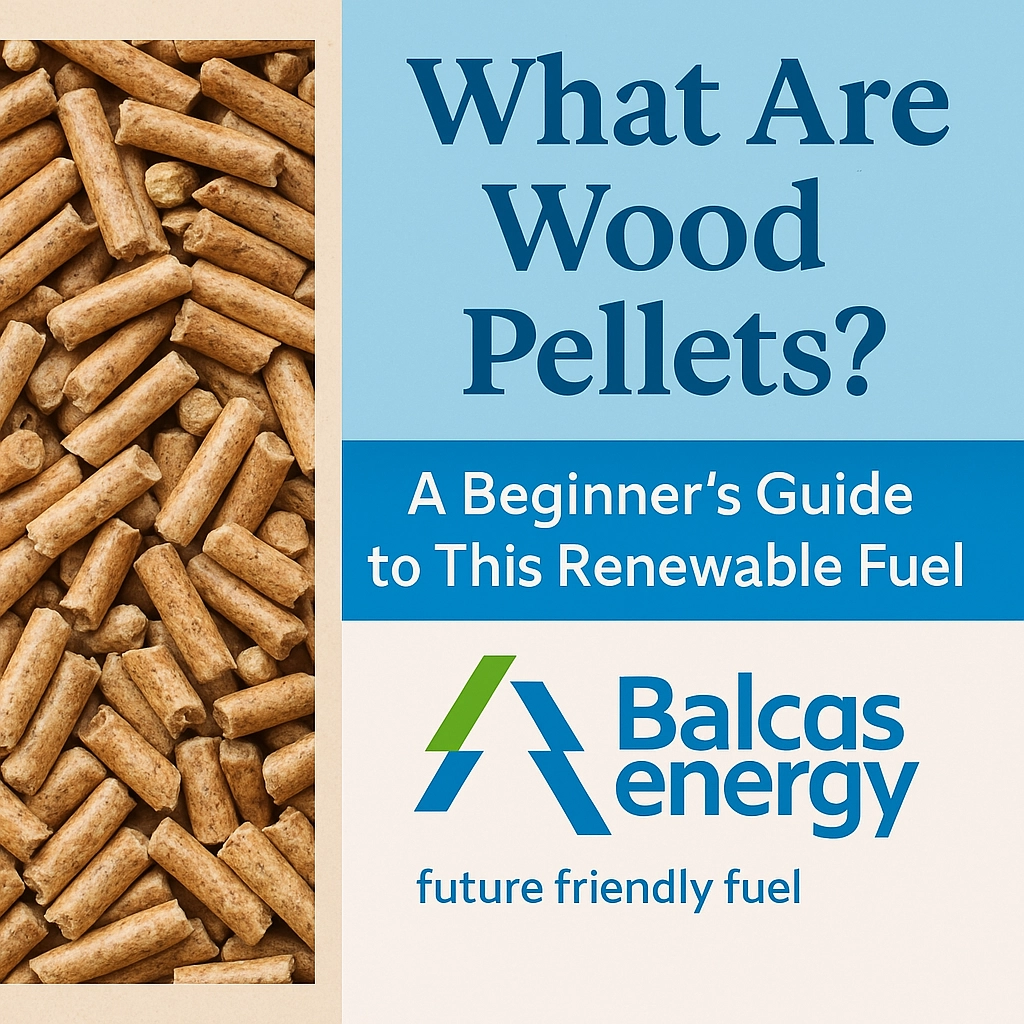
Biomass wood pellets are small, dense cylinders made from compressed wood waste. Each pellet is typically 6–8mm wide and around 10–30mm long.
We form them by applying high pressure to sawdust and wood shavings—no glue or chemicals added. The natural lignin in the wood binds the material together.
This makes them an efficient, clean-burning fuel for heating and cooking. Wood pellets are uniform in size, which helps ensure steady, reliable combustion. They’re popular in homes, schools, and businesses across the UK.
How Are Wood Pellets Made?
The process starts with waste wood—mainly sawdust and shavings from sawmills or timber production. We dry the raw material to remove moisture, then finely ground. We then compress it at high pressure through a die to form uniform pellets.
The heat from compression activates the wood’s natural lignin, binding the material together. We use no glues, additives, or chemicals.
We cool the finished pellets, screen them for dust, and pack them for delivery. They’re then distributed across the UK in bags or bulk, ready for use.
What Are Wood Pellets Used For?
Wood pellets are mainly used for heating homes, schools, and businesses. They power pellet stoves, biomass boilers, and central heating systems. Some commercial buildings use them to meet renewable energy targets.
Wood pellets also work in pizza ovens and outdoor pellet grills. In farming, they’re used in drying systems and animal bedding too.
They provide a versatile, low-carbon alternative to oil, gas, or coal. This makes them popular in rural and off-grid locations across the UK.
Are Wood Pellets Environmentally Friendly?
Yes—wood pellets many experts consider them a low-carbon, renewable fuel. They’re made from waste wood, not cut from living trees. This helps reduce reliance on fossil fuels and lowers overall emissions.
Pellets produce less carbon dioxide than coal, oil, or natural gas. Burning them releases carbon already absorbed by trees during growth.
When you source them sustainably, pellet use supports responsible forestry and woodland management. They also produce minimal ash and burn cleanly in modern systems.
How Efficient Are Wood Pellets?
Wood pellets burn hotter and more efficiently than traditional logs. Modern pellet boilers and stoves reach efficiency levels of up to 90%.
Their low moisture content means more heat is produced per kilogram. This reduces waste and ensures consistent energy output every time.
Pellets produce very little ash, making maintenance easier and cleaner. The steady burn rate also helps maintain even room temperatures. This makes them ideal for homes wanting reliable, cost-effective heating.
Types of Wood Pellets
Wood pellets vary by quality, material, and intended use. ENplus A1 pellets are the highest quality standard in the UK and Europe. They’re low in ash, moisture, and dust—ideal for domestic heating systems.
Pellets may come from hardwood, softwood, or a blend of both. Softwood pellets often burn hotter but may produce slightly more ash. Hardwood pellets burn longer and provide a steady, slower heat release.
Always check the certification and origin before buying pellets for your home. Using poor-quality pellets can reduce efficiency and damage your appliance.
How do we Deliver Wood Pellets?
We deliver wood pellets in bags or bulk, depending on your setup. We supply bagged pellets in 10kg bags, stacked on pallets. They’re ideal for manual loading into stoves or hoppers.
We make our bulk deliveries using blower trucks that fill a storage unit directly. This option suits homes with high pellet usage and large storage space. You’ll need a compatible camlock fitting and good access for the lorry.
Both delivery options are available across the UK from trusted suppliers.
Storing Wood Pellets Safely
Wood pellets must stay dry to burn efficiently and safely. Moisture causes pellets to swell, crumble, and become unusable.
Store bagged pellets off the ground in a dry, well-ventilated space. Use a shed, garage, or utility room with minimal damp or drafts.
Bulk pellets need a sealed, ventilated hopper or pellet silo. These storage units should be waterproof and fitted with correct delivery fittings.
Good storage extends pellet life and ensures clean, reliable burning. Check pellet quality regularly and keep the area free from moisture or pests.
Who Uses Wood Pellets in the UK?
Wood pellets are a popular fuel for many households, farms, schools, and small businesses. They’re popular in rural and off-grid homes needing reliable heating.
Many UK schools and public buildings use biomass systems powered by pellets. Farmers use them for grain drying, space heating, and animal bedding. Hotels and holiday parks choose pellets for sustainable, low-maintenance heating.
Government incentives like the Renewable Heat Incentive (RHI) encouraged wider adoption.
Pellets offer a clean, local fuel source that supports energy independence. More UK homes switch to pellets each year for cost and environmental benefits.
Why Choose Wood Pellets?
Wood pellets are a clean, efficient, and renewable fuel for heating. They’re easy to use, widely available, and made from natural wood waste.
Whether you’re heating a small home or a large building, pellets offer a smart solution. They burn cleanly, cost less than oil, and reduce your carbon footprint. With proper storage and the right appliance, they deliver reliable heat all year round.
If you’re considering a greener heating option, Balcas Energy wood pellets are a future-friendly choice. Contact us today to order or for more information.
FAQs About Biomass Wood Pellets
1. What are biomass wood pellets made from?
We make biomass wood pellets from compressed sawdust, shavings, and timber by-products, using natural lignin as a binder.
2. Are biomass wood pellets renewable?
Yes. Pellets come from sustainably managed forests, and the carbon released during burning is reabsorbed by new tree growth.
3. How efficient are biomass wood pellets as fuel?
Biomass pellets burn with over 90% efficiency in modern stoves and boilers. They provide steady heat with minimal waste.
4. Where are biomass wood pellets used?
You can use them in residential stoves, commercial boilers, and large-scale power plants, often replacing coal and oil as cleaner alternatives.
5. Why choose Balcas Energy biomass wood pellets?
Balcas Energy pellets are ENplus® A1 certified, produced sustainably, and we manufacture using renewable energy for reliable, carbon-neutral heating.
About Balcas Energy
Balcas Energy is one of the UK’s leading manufacturers and suppliers of ENplus® A1 wood pellets, providing sustainable heating solutions across the UK and Ireland.
📍 Enniskillen, Northern Ireland
☎ 028 6632 3003


Trackbacks & Pingbacks
[…] oil or gas, biomass wood pellets come from a renewable supply chain. We replant four trees for every one used in our […]
[…] Traditional fossil fuels are becoming less viable due to rising costs and environmental concerns. Wood pellets for home heating are emerging as a top alternative, offering renewable, low-carbon heating. But are […]
Leave a Reply
Want to join the discussion?Feel free to contribute!