
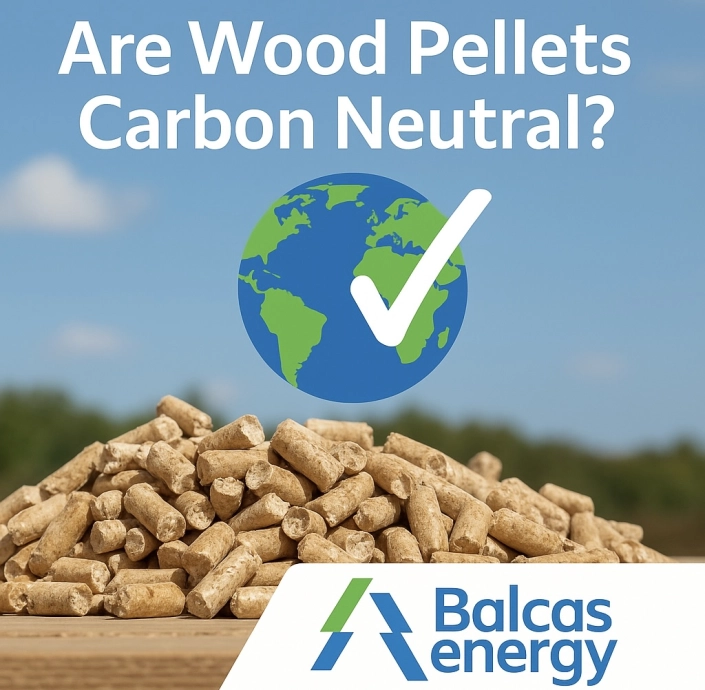
Are Wood Pellets Carbon Neutral? The Facts
Why Carbon Neutrality Matters
The world is shifting towards cleaner, greener energy. As heating bills rise and climate concerns grow, many turn to renewable alternatives. They are gaining popularity across the UK—but are wood pellets carbon neutral?
This blog explores the facts behind biomass fuel, carbon cycles, and sustainable sourcing. If you’re heating your home with wood pellets or considering the switch, here’s what you need to know.
What Does ‘Carbon Neutral’ Mean?
Carbon neutrality means the amount of carbon dioxide released is balanced by the amount absorbed or offset. In other words, the fuel doesn’t contribute extra carbon to the atmosphere. For biomass fuels like wood pellets, the goal is to create a closed carbon loop. The CO₂ released during burning should match what the trees absorbed while growing.
Wood pellets differ from fossil fuels because their carbon is already part of the natural cycle. Unlike coal or oil, which release ancient carbon, wood pellets recycle what was recently captured. When managed responsibly, this cycle keeps emissions balanced and supports long-term sustainability.
How Are Wood Pellets Made?
Wood pellets are produced by compressing sawdust and wood shavings—usually waste from sawmills and timber processing. The raw material is dried to remove moisture, then pressed through a die under high pressure. This creates small, dense pellets without the need for glues or chemical additives.
At Balcas Energy, we power this process using renewable electricity from our own Combined Heat and Power (CHP) plants. This ensures the production stage generates minimal emissions. Because the energy and materials are sourced sustainably, the entire manufacturing process supports the goal of carbon neutrality.
The Carbon Cycle and Trees
Trees absorb carbon dioxide from the atmosphere as they grow. This CO₂ is stored in their trunks, branches, and leaves. When trees are harvested and turned into biomass wood pellets, that stored carbon remains in the material until it’s released through combustion.
Burning wood pellets returns the carbon back into the atmosphere. However, because new trees are planted to replace those harvested, the carbon is reabsorbed. This natural cycle keeps carbon levels balanced—provided the forestry is managed responsibly.
With every tree used in our production, Balcas Energy plants four more. This ongoing replanting supports the carbon cycle and helps ensure wood pellets remain a carbon-neutral fuel.
Do Wood Pellets Emit Carbon When Burned?
Yes, burning wood pellets does release carbon dioxide. However, this is not the same as burning fossil fuels. The CO₂ released during combustion comes from carbon that was recently captured by the tree during its growth.
This makes wood pellets part of a short-term carbon cycle, unlike fossil fuels that release carbon stored underground for millions of years. As long as new trees are planted and forests are properly managed, this cycle remains balanced.
That’s why biomass wood pellets are considered carbon neutral—they release carbon, but it’s carbon that would have re-entered the atmosphere through natural decay anyway.
Why Sourcing and Sustainability Matter
Not all wood pellets are carbon neutral by default—their impact depends heavily on how the wood is sourced and managed. If forests are overharvested or not replanted, the balance of the carbon cycle is broken. This leads to a net increase in emissions rather than a reduction.
At Balcas Energy, we only use timber from sustainably managed forests. For every tree we harvest, four more are planted. This ensures a continuous supply of raw material while preserving forest ecosystems and absorbing future emissions.
Sustainable sourcing guarantees that your heating fuel doesn’t come at the expense of the environment. It’s the foundation of truly carbon-neutral wood pellets.
Transport and Processing Emissions
While wood pellets themselves are carbon neutral, it’s important to consider emissions from transport and processing. Moving raw materials and finished pellets requires fuel, and inefficient logistics can add to a product’s overall carbon footprint.
At Balcas Energy, we reduce this impact by using our own biomass-powered Combined Heat and Power (CHP) plants. These provide 100% renewable energy for pellet production. We also prioritise local sourcing and regional delivery networks to minimise transport distances.
By producing and distributing our pellets efficiently, we keep emissions low across the entire supply chain—supporting the goal of clean, carbon-neutral heating.
How Wood Pellets Compare to Fossil Fuels
Fossil fuels like coal, oil, and gas release carbon that’s been locked underground for millions of years. Once burned, that carbon adds directly to the atmosphere—fueling global warming.
In contrast, wood pellets recycle recently captured carbon. When sourced and burned responsibly, they produce up to 90% fewer carbon emissions than oil. They also generate less ash and fewer pollutants, making them cleaner for both the environment and your heating system.
Switching from fossil fuels to biomass wood pellets is one of the most effective ways to reduce household carbon emissions today.
Independent Certifications and Standards
Certifications help verify that wood pellets meet recognised standards for quality and sustainability. Without them, it’s difficult to know what you’re really burning.
Look for ENplus® A1 certification—it guarantees low moisture, minimal ash, and high energy efficiency. This standard also ensures responsible handling and storage throughout the supply chain.
Sustainability labels like FSC or PEFC confirm that the raw material comes from responsibly managed forests. At Balcas Energy, we meet these standards to give customers peace of mind.
Certified pellets not only burn better—they help ensure your heating fuel truly supports a lower-carbon future.
What This Means for Your Home
Choosing biomass wood pellets for heating offers more than just lower bills—it’s a practical way to reduce your environmental impact. By using pellets from a certified, sustainable supplier, you actively support carbon neutrality and responsible forestry.
Pellets are easy to store, efficient to burn, and compatible with a wide range of stoves and boilers. They also produce less mess, ash, and maintenance compared to traditional fuels.
Switching to wood pellets helps cut emissions without compromising comfort. For eco-conscious households, it’s a smart and future-friendly choice.
Conclusion: Yes, With the Right Supplier
Wood pellets are carbon neutral—when sourced, produced, and delivered responsibly. They release carbon, but only what trees recently absorbed. That’s what makes them a powerful alternative to fossil fuels.
At Balcas Energy, we produce biomass wood pellets using renewable energy and sustainable forestry. We manage every step of the process—from forest to flame—with the environment in mind.
If you’re looking to lower your emissions and heat your home efficiently, choose a trusted supplier. Carbon-neutral heating starts with responsible decisions—and it starts here.
FAQs About Wood Pellets and Carbon Neutrality
1. Are wood pellets really carbon neutral?
Yes. The carbon released when burning pellets is reabsorbed by newly planted trees, creating a balanced, sustainable carbon cycle.
2. How do wood pellets reduce carbon emissions compared to fossil fuels?
Pellets are made from sawmill by-products and renewable forestry. Unlike oil or gas, they do not release stored fossil carbon.
3. Does the production of wood pellets impact their carbon neutrality?
No. At Balcas Energy, pellet production uses renewable electricity from CHP plants, ensuring the process remains carbon neutral.
4. Are wood pellets better for the environment than coal or oil?
Yes. Pellets burn cleaner, produce fewer particulates, and support sustainable forestry, making them far greener than fossil fuel alternatives.
5. Can using wood pellets help meet climate targets?
Yes. By replacing fossil fuels with carbon-neutral pellets, households and businesses contribute to emission reductions and renewable energy goals.
About Balcas Energy
Balcas Energy is one of the UK’s leading manufacturers and suppliers of ENplus® A1 wood pellets, providing sustainable heating solutions across the UK and Ireland.
📍 Enniskillen, Northern Ireland
☎ 028 6632 3003


