Incident at Balcas Invergordon – 14th May 2025

Balcas Energy Wood Pellet Facility Incident Update and Thanks

We would like to extend our sincere gratitude to the fire crews from Invergordon and surrounding stations for their swift and professional response to today’s incident at our Balcas wood pellet facility. Their quick action, combined with the calm and effective response from our own on-site team, ensured the safety of all personnel and helped bring the situation under control quickly.

We are incredibly proud of the professionalism and composure shown by everyone involved.

An investigation is now underway to determine the cause of the incident. This process will take time, and we will provide updates as more information becomes available.

In the meantime, our team is working hard to resume full operations as quickly and safely as possible. Thanks to contingency planning and the continued production at our Enniskillen wood pellet facility, we do not anticipate any disruption to customer deliveries.

We appreciate your continued support and understanding. Safety remains our top priority, and we remain committed to delivering the high standards our customers expect from Balcas Energy.

wood pellet facility

Pelletising Wood Into Pellets

Pelletising Wood Into Pellets: How to Make Sustainable Biomass Fuel

pelletising wood into pellets

As the demand for renewable energy grows, wood pellets have become one of the most popular alternatives to fossil fuels. But have you ever wondered how sawdust and wood shavings become the uniform, energy-rich pellets we use in modern biomass heating systems? The process, known as pelletising wood into pellets, is a carefully engineered system that turns forestry by-products into clean-burning fuel.

What Is Pelletising?

Pelletising is the process of compressing or moulding organic material into the shape of a pellet. In the case of biomass energy, this involves turning raw wood residues—such as sawdust, wood chips, or shavings—into small, cylindrical fuel pellets.

This method allows us to repurpose wood waste into a consistent, efficient, and easy-to-transport fuel source. It also helps us reduce waste and support sustainable forestry practices.

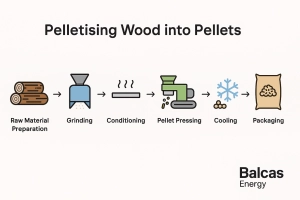
The Steps Involved in Pelletising Wood Into Pellets

  1. Raw Material Preparation

    The process begins with us gathering raw wood residues from sawmills or timber production. We then clean and dry these materials to achieve the optimal moisture content, typically around 10%.

  2. Grinding

    Once dried, we grind the wood down to a fine consistency using a hammer mill. This step ensures a uniform particle size, which is essential for producing consistent pellets.

  3. Conditioning and Binding

    During conditioning, we apply heat and pressure. The wood’s natural lignin softens and acts as a binder, eliminating the need for additives or glue. This natural binding is key to the strength and stability of the pellets.

  4. Pellet Pressing

    We then feed the conditioned wood into a pellet mill, where it is forced through small holes in a steel die. The result is dense, compact pellets that are cut to the desired length as they exit the press.

  5. Cooling and Screening

    Freshly formed pellets are hot and slightly soft. We cool the pellets to harden and stabilise them. After cooling, we screen them to remove fines (loose dust) and ensure quality.

  6. Packaging and Storage

    Once we have cooled and screened them, we package the pellets into 10kg or 15kg bags or store them in bulk. They are now ready for delivery to homes, schools, and businesses.

Why Pelletising Is Important

The process of pelletising wood into pellets is essential for producing a clean, consistent, and environmentally responsible heating fuel. Unlike loose wood chips or logs, pellets offer a standardised product that burns efficiently with lower emissions. They are easier to store, handle, and transport, making them ideal for automated heating systems.

At Balcas Energy, we use renewable energy to power our own pelletising process, further reducing the carbon footprint of every bag we produce. By converting co-products from our sawmills into high-quality biomass fuel, we close the loop on sustainability.

Pelletising wood into pellets isn’t just a manufacturing process—it’s a smart solution for a cleaner energy future.

FAQs About Pelletising Wood Into Pellets

1. What is pelletising in wood pellet production?

Pelletising is the process of compressing dried sawdust and wood fibres into dense, uniform pellets using high pressure and natural lignin as the binder.

2. Do manufacturers add glue or chemicals during pelletising?

No. Quality wood pellets contain no additives. Natural lignin released from the wood during compression binds the pellets together.

3. Why is drying important before pelletising?

Drying reduces moisture so pellets burn efficiently. Low moisture ensures higher heat output, cleaner combustion, and less ash in appliances.

4. How does pelletising improve fuel efficiency?

Pelletising increases density and consistency. This creates predictable, efficient combustion, giving more heat per kilogram compared to raw wood.

5. What machinery is used for pelletising wood?

Industrial pellet mills, hammer mills, dryers, and cooling systems prepare the raw material, compress it, and harden the finished pellets.

6. Are pelletised wood pellets environmentally friendly?

Yes. When produced responsibly, wood pellets utilise sawmill by-products and rely on renewable forestry, creating a sustainable, low-carbon fuel.

About Balcas Energy

Balcas Energy is one of the UK’s leading manufacturers and suppliers of ENplus® A1 wood pellets, providing sustainable heating solutions across the UK and Ireland.

📍 Enniskillen, Northern Ireland

028 6632 3003

Wood Pellets as an Alternative Fuel

Why Wood Pellets Are Becoming the Go-To Alternative Fuel Source
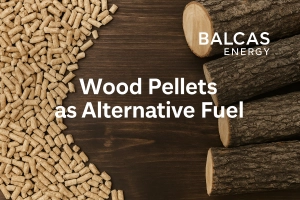
Wood pellets as alternative fuel

As the world becomes increasingly aware of the environmental impact of fossil fuels, many homes and businesses are turning to more sustainable options. One standout choice is the growing use of wood pellets as an alternative fuel. This eco-friendly biomass solution is gaining traction for its renewable nature, low carbon footprint, and efficiency. But what makes wood pellets such a compelling alternative?

What Are Wood Pellets?

Wood pellets are small, cylindrical pieces of compressed biomass. They are typically made from sawdust, wood shavings, and other by-products of the timber industry. Instead of being discarded, this waste material is compacted and dried to form a powerful, clean-burning fuel. As a result, wood pellets as alternative fuel provide an excellent example of circular economy in action.

A Sustainable Heating Solution

One of the most important benefits of wood pellets is sustainability. Unlike oil or gas, wood pellets are renewable. Trees used in the timber industry are replanted, ensuring a continuous cycle. Moreover, burning wood pellets produces significantly lower carbon emissions than fossil fuels. When sourced responsibly, they offer a carbon-neutral heating option, releasing only the CO₂ that the trees absorbed while growing.

Reliable and Cost-Effective

The rising cost of traditional fuels has prompted many to explore affordable alternatives. Wood pellets as alternative fuel offer reliable heat output and excellent efficiency. Modern pellet boilers and stoves are engineered for high performance, meaning you get more heat per kilogram of fuel. For homeowners and businesses, this translates to lower heating bills and more consistent warmth during colder months.

Easy to Handle and Store

One of the key advantages of wood pellets is their convenience. Typically sold in 10kg bags or bulk pallets, they’re easy to carry, pour, and store. Whether you’re heating a home, a small business, or a larger facility, the flexibility of pellet storage and transport makes them an ideal choice for a wide range of settings.

Supported by Technology

Modern pellet systems have evolved rapidly. Many boilers and stoves now feature automated feed systems, smart thermostats, and low-maintenance designs. These advancements make wood pellet heating highly efficient and user-friendly. With ENplus® A1 certified pellets from trusted suppliers like Balcas Energy, users can enjoy a clean, reliable, and regulated fuel source.

Locally Produced with Lower Emissions

Balcas Energy produces wood pellets in the UK and Ireland using renewable electricity. This local production not only supports the economy but also reduces transportation emissions, further enhancing their environmental credentials. Choosing wood pellets as alternative fuel helps reduce your carbon footprint while promoting local green energy initiatives.

Conclusion

The shift towards sustainable energy has never been more urgent. Choosing wood pellets as alternative fuel offers a practical and eco-friendly solution that supports both the environment and your budget. Whether you’re heating your home or running a business, now is the perfect time to switch to a cleaner, greener fuel source.

Balcas Energy is proud to lead this transition by providing high-quality, certified wood pellets produced locally with renewable energy. Join the movement today.

FAQs About Wood Pellets as an Alternative Fuel

1. Why are wood pellets considered an alternative fuel?

Wood pellets are a renewable, carbon-neutral fuel made from sawmill by-products. They replace fossil fuels like oil and coal with a cleaner, sustainable energy source.

2. Are wood pellets environmentally friendly?

Yes. Wood pellets burn cleanly, produce low emissions, and are made from sustainable forestry waste, reducing environmental impact.

3. Do wood pellets cost less than traditional fossil fuels?

Often, yes. Wood pellet prices tend to be more stable than oil or gas, helping households and businesses manage heating costs more effectively.

4. Can wood pellets be used in any heating system?

Wood pellets require a compatible appliance such as a pellet stove, biomass boiler, or industrial pellet system. These systems are designed for efficient pellet combustion.

5. What makes wood pellets a reliable fuel source?

Pellets are produced locally, available in bulk or bagged options, and offer consistent heat output due to their uniform size and low moisture.

6. Do wood pellets support the transition to renewable energy?

Absolutely. Wood pellets reduce reliance on fossil fuels and contribute to renewable energy targets, helping homes and businesses lower their carbon footprint.

About Balcas Energy

Balcas Energy is one of the UK’s leading manufacturers and suppliers of ENplus® A1 wood pellets, providing sustainable heating solutions across the UK and Ireland.

📍 Enniskillen, Northern Ireland

028 6632 3003

Wood Pellets for Log Burner

Can You Use Wood Pellets for a Log Burner? Everything You Need to Know

Wood pellets for log burner

As more households seek sustainable ways to heat their homes, one question keeps popping up. Can you use wood pellets for a log burner?

At Balcas Energy, we know how important it is to make informed heating decisions—both for efficiency and the environment. In this post, we’ll explore whether wood pellets for log burners are a good idea, how they compare to logs, and the best way to heat your home using pellets.

What Are Wood Pellets and How Are They Made?

Wood pellets are small, dense cylinders made from compressed sawdust and wood shavings. At Balcas Energy, we produce our ENplus® A1 certified wood pellets from sustainably managed forests in the UK and Ireland.

Our production process uses renewable energy from our own biomass CHP plant, meaning your fuel is as low-carbon as it gets.

Can Wood Pellets Be Used in a Traditional Log Burner?

Here’s the short answer: Not directly.

Traditional log burners are designed to burn solid wood logs, which are larger and less dense than pellets. If you pour loose wood pellets into a standard stove, you won’t achieve an efficient burn. In fact, it may be unsafe and damage the appliance.

However, there are pellet baskets and specialist pellet burner inserts available that can convert some multi-fuel stoves to safely use wood pellets.

When Are Wood Pellets for Log Burners a Good Option?

You might consider using wood pellets for log burners if:

  • You have a multi-fuel stove that supports pellet inserts
  • You’re looking for cleaner-burning fuel with lower emissions
  • You want a low-ash, high-efficiency heat source
  • You struggle to store or lift traditional logs

Just be sure to check your stove manufacturer’s guidance or consult a heating engineer before making the switch.

Benefits of Using Wood Pellets in Multi-Fuel or Pellet-Compatible Burners

  1. High Efficiency:
    Wood pellets have low moisture content, producing more heat per kilogram than logs.
  2. Cleaner Burn:
    Pellets burn cleanly, reducing creosote buildup and improving indoor air quality.
  3. Easy Storage:
    Balcas Energy pellets come in compact 10kg bags—easy to stack and store in small spaces.
  4. Sustainable Fuel:
    Our pellets are made from 100% renewable wood, with no additives or contaminants.
  5. Lower Emissions:
    Using ENplus® A1 pellets helps lower your carbon footprint compared to coal or fossil-fuel heating.

How to Buy Wood Pellets for Log Burner Setups

If your stove is suitable for pellet use, Balcas Energy offers reliable wood pellet delivery across the UK and Ireland.

Choose from:

  • 10kg bags (perfect for homes)
  • 750kg half pallets
  • 960kg full pallets

All options include kerbside delivery, and VAT is included in the price. Order online 24/7 for peace of mind this winter.

Final Thoughts: The Smart Alternative for Greener Heating

While standard log burners aren’t made for loose wood pellets, there are ways to safely and efficiently integrate pellets into your heating system.

If you have a compatible setup, wood pellets for log burners offer a cleaner, greener, and more convenient alternative to traditional logs.

Ready to explore pellet heating? Choose Balcas Energy—your trusted partner in sustainable warmth.

FAQs About Using Wood Pellets in a Log Burner

1. Can I use wood pellets in a traditional log burner?

Most traditional log burners are not designed for pellets. Pellets burn differently and require a controlled feed system, so always check manufacturer guidance.

2. Do I need a special insert to burn pellets in a log burner?

Yes. Many users choose a pellet basket insert, which allows safe and efficient pellet burning without damaging the appliance.

3. Are wood pellets hotter than logs?

Often, yes. Pellets contain low moisture and burn consistently, producing strong, steady heat compared to natural firewood.

4. Do pellets create more ash than logs?

No. ENplus® A1 wood pellets create very little ash due to their purity and low moisture, reducing cleaning and maintenance.

5. Are wood pellets suitable for all wood-burning stoves?

Not always. Some modern stoves are pellet-compatible, but older models may require baskets or may not be suitable at all.

6. Why choose Balcas Energy wood pellets for log burner use?

Balcas Energy pellets are kiln-dried, ENplus® A1 certified, and made from clean sawmill by-products, ensuring efficient heat and minimal residue.

About Balcas Energy

Balcas Energy is one of the UK’s leading manufacturers and suppliers of ENplus® A1 wood pellets, providing sustainable heating solutions across the UK and Ireland.

📍 Enniskillen, Northern Ireland

028 6632 3003

Debunking Common Myths About Wood Pellet Fuel

Debunking Common Myths About Wood Pellet Fuel

Myths about wood pellet fuel

As more people search for cleaner, greener heating options, wood pellet fuel continues to grow in popularity across the UK and Ireland. But with rising interest comes misinformation. At Balcas Energy, we believe in helping customers make informed decisions. So let’s bust a few myths about wood pellet fuel, and separate fact from fiction.

Myth 1: Wood Pellet Fuel Is Just Compressed Sawdust

Truth: While wood pellets are made from sawdust and wood shavings, they are far from ordinary waste material.

Our Balcas Energy wood pellets are crafted from sustainably sourced timber and processed to strict ENplus® A1 standards. This ensures low moisture, high energy content, and a clean, consistent burn.

Myth 2: Burning Pellets Isn’t Really Environmentally Friendly

Truth: Wood pellet fuel is considered a renewable energy source.

When responsibly produced—like ours—it’s carbon-neutral. That means the carbon released during burning is balanced by the carbon absorbed as the trees grew.

Plus, we manufacture our pellets using renewable energy from our own biomass-powered combined heat and power (CHP) plant.

Myth 3: Pellet Storage Is Complicated and Messy

Truth: With the right storage setup, wood pellets are simple to manage.

Bagged pellets are easy to handle and stack, while bulk delivery options are available for larger systems. Just keep them dry and protected from moisture, and you’ll have no issues.

We even provide a full guide on best practices for pellet storage to help you every step of the way.

Myth 4: Pellet Heating Is Only for Rural Homes

Truth: While pellet boilers and stoves are popular in rural areas, they work equally well in suburban and urban homes.

With a compact setup and kerbside delivery, many customers in towns and small cities are already making the switch to wood pellet fuel.

Myth 5: Pellets Are More Expensive Than Other Fuels

Truth: Wood pellet prices are stable and competitive—especially when ordered in bulk or on a regular delivery plan.

Unlike oil and gas, which fluctuate with global markets, wood pellets offer long-term cost predictability. You also save with more efficient burn rates and less maintenance.

Myth 6: All Pellets Are the Same

Truth: Pellet quality matters—a lot.

Low-grade pellets can clog your boiler, produce more ash, and reduce efficiency. Always choose ENplus® A1 certified pellets, like those from Balcas Energy.

We control every step of production, from sustainable sourcing to local delivery, ensuring consistent performance.

Myth 7: It’s Hard to Switch to Pellet Heating

Truth: Switching is easier than you think.

We offer guidance on system compatibility, storage options, and ordering. With 24/7 online ordering and expert support, heating your home with wood pellet fuel is a smooth transition.

Final Thought: Don’t Let Misconceptions Hold You Back

Wood pellet fuel is clean, efficient, and kind to both the environment and your wallet. Don’t let outdated ideas stop you from switching to a smarter, sustainable heating solution.

Ready to learn more? Explore our full range of certified wood pellets and see how easy it is to join the renewable revolution with Balcas Energy.

FAQs About Common Myths and Facts on Wood Pellet Fuel

1. Are wood pellets made from cutting down trees?

No. We make quality wood pellets from sawdust, shavings, and by-products from sustainable forestry. No trees are felled solely for pellet production.

2. Do wood pellets create a lot of ash?

Not when you use ENplus® A1 certified pellets. High-quality pellets produce very low ash, helping stoves and boilers run efficiently with minimal cleaning.

3. Are wood pellets bad for the environment?

No. Wood pellets are carbon neutral, renewable, and we manufacture from sustainable materials. They produce far fewer emissions than fossil fuels.

4. Is pellet heating unreliable in winter?

Reliable suppliers like Balcas Energy operate year-round with strong local production, ensuring dependable winter supply even during high demand.

5. Do wood pellets contain chemicals or additives?

No. Pellets are bound naturally by lignin released during compression. Quality pellets contain no glues, fillers, or chemical additives.

6. Are pellet boilers difficult to maintain?

Not at all. Modern pellet boilers and stoves have an easy operation design, with automated feeding systems and simple weekly cleaning routines.

About Balcas Energy

Balcas Energy is one of the UK’s leading manufacturers and suppliers of ENplus® A1 wood pellets, providing sustainable heating solutions across the UK and Ireland.

📍 Enniskillen, Northern Ireland

☎ 028 6632 3003

Wood Pellets for Log Burners: A Cleaner, Smarter Way to Heat Your Home

Wood Pellets for Log Burners
Wood Pellets for Log Burners: A Cleaner, Smarter Way to Heat Your Home

Looking to make your log burner more efficient and environmentally friendly? Choosing wood pellets for log burners use is a smart option. At Balcas Energy, we provide premium-grade wood pellets designed for clean, consistent, and sustainable heating.

If you’re new to using pellets in your log burner, this guide explains everything you need to know — from benefits to proper use.

What Are Wood Pellets?

Wood pellets are a compressed form of natural wood, typically made from sawdust and wood shavings. They are small, cylindrical, and uniform in size, making them easy to handle and store.

Our wood pellets are ENplus® A1 certified, meaning they burn efficiently and produce minimal ash or smoke.

Can You Use Wood Pellets in a Log Burner?

Standard log burners are designed for logs, but some multi-fuel or specially-adapted stoves can burn wood pellets effectively.

Before switching, check your stove’s manufacturer guidelines or speak with a professional. In most cases, a pellet basket or insert allows safe use of wood pellets in log burners.

Benefits of Using Wood Pellets for Log Burners

1. Clean and Efficient Burn

Wood pellets produce a hotter and cleaner flame than many traditional firewood options. This means less smoke, more heat, and fewer emissions.

2. Low Maintenance

Pellets leave behind less ash than logs, meaning less time cleaning and more time enjoying the warmth.

3. Environmentally Friendly

Our pellets are made from renewable wood sources and help reduce your carbon footprint. They’re an ideal solution for greener heating.

4. Easy Storage and Handling

Pellets come in tidy, bagged formats and take up less space than logs. They’re also lighter and easier to carry indoors.

5. Cost-Effective Heating

Wood pellets offer great value, especially when ordered in bulk. They provide consistent heat with minimal waste.

How to Use Wood Pellets in Your Log Burner

To burn wood pellets in a log burner, follow these steps:

  • Use a pellet basket or tray if your burner isn’t pellet-compatible.
  • Add a small layer of pellets to the basket.
  • Light with firelighters or kindling – never use petrol or lighter fluid.
  • Top up as needed, keeping airflow vents open for a strong flame.

Always supervise the fire and ensure your chimney is clean for safe use.

Why Choose Balcas Energy Wood Pellets?

At Balcas Energy, we produce high-quality wood pellets in the UK and Ireland using renewable timber.

Our pellets are:

  • ENplus® A1 certified for premium performance
  • Low in moisture and ash for cleaner burning
  • Sustainably produced using green energy
  • Delivered across the UK and Ireland in convenient bagged or bulk options

Ready to Switch?

Using wood pellets for your log burner is an easy way to heat your home more sustainably and efficiently.

Explore our range of premium pellets and enjoy a cleaner, greener burn this winter. Place your order online with Balcas Energy today.

FAQs About Using Wood Pellets in Log Burners

1. Can I use wood pellets directly in my log burner?

Most log burners are not designed for pellets. However, a pellet basket insert allows safe and efficient pellet burning in many models.

2. Are wood pellets cleaner than traditional firewood?

Yes. ENplus® A1 wood pellets produce very low ash and minimal smoke, offering a cleaner burn and reducing stove maintenance.

3. Do wood pellets heat better than logs?

Often, yes. Pellets contain low moisture and burn consistently, producing strong, stable heat compared to many types of firewood.

4. Do I need special storage for wood pellets?

Pellets must be stored in a dry, ventilated space to prevent moisture damage. Keep bagged pellets off the ground and fully sealed.

5. Why are pellets considered a smarter heating option?

Pellets offer predictable heat, lower emissions, and higher efficiency. They also support sustainable forestry and reduce reliance on fossil fuels.

6. Why choose Balcas Energy wood pellets for a log burner?

Balcas Energy pellets are locally produced, ENplus® A1 certified, and made from clean sawmill by-products, delivering consistent heat and cleaner combustion.

About Balcas Energy

Balcas Energy is one of the UK’s leading manufacturers and suppliers of ENplus® A1 wood pellets, providing sustainable heating solutions across the UK and Ireland.

📍 Enniskillen, Northern Ireland

028 6632 3003

How Hot Does a Wood Burning Stove Get?

How Hot Does a Wood Burning Stove Get?

Wood-burning stoves offer warmth, efficiency, and a cosy atmosphere. But how hot does a wood burning stove get? Understanding temperature ranges helps you operate your stove safely and efficiently.

Typical Wood Burning Stove Temperatures

Most wood-burning stoves reach 260–460°C (500–860°F). High-efficiency models can exceed 650°C (1200°F) in optimal conditions. However, safe operation depends on airflow, wood quality, and stove design.

Factors Affecting Stove Temperature

Several factors influence how hot a wood burning stove gets:

  • Wood Type: Hardwoods like oak burn hotter than softwoods. Seasoned wood ensures efficient combustion.
  • Airflow Control: Adjusting air vents regulates oxygen flow, affecting heat output.
  • Stove Material: Cast iron retains heat longer, while steel heats quickly.
  • Chimney Draught: Proper ventilation ensures efficient burning and prevents excessive heat buildup.

How to Monitor Your Stove’s Temperature

Using a stove thermometer helps maintain safe temperatures. Here’s what to watch for:

  • Below 150°C: Inefficient burning, causing soot and creosote buildup.
  • 150–300°C: Optimal burning range, maximising heat and efficiency.
  • Above 460°C: Risk of overheating, which can damage your stove or flue.

Check our wood pellet options for cleaner, more efficient burning.

Preventing Overheating and Damage

To prevent excessive heat:

  1. Use Quality Fuel – Dry, seasoned wood burns hotter and cleaner.
  2. Control Airflow – Adjust vents to regulate oxygen intake.
  3. Avoid Overloading – Too much fuel can cause dangerously high temperatures.
  4. Check the Flue – A clean flue improves airflow and prevents overheating.

Need help maintaining your stove? Read our stove care guide.

Safe and Efficient Heating Solutions

Balcas Energy provides sustainable wood fuel for efficient heating. Whether you use a stove or biomass boiler, our premium wood pellets ensure clean, high-performance burning.

By managing airflow, fuel type, and ventilation, you can enjoy safe, consistent heat without overheating risks. If you need some expert advice, contact us today.

How to Light a Pizza Oven with Wood Pellets

How to Light a Pizza Oven with Pellets

How to Light a Pizza Oven with Pellets

Lighting a pizza oven with wood pellets is an efficient, eco-friendly, and cost-effective way to achieve the perfect flame. Whether you’re a beginner or an experienced pizza maker, following the right steps ensures consistent heat and a great cooking experience. In this guide, we’ll explain how to light a pizza oven with wood pellets, provide essential tips, and highlight the benefits of using high-quality Balcas Energy wood pellets.

Why Use Wood Pellets for Your Pizza Oven?

Wood pellets are an excellent fuel choice for pizza ovens because they:

  • Burn cleanly with minimal smoke
  • Provide consistent, high heat for even cooking
  • Produce less ash than traditional wood or charcoal
  • Are easy to store and handle
  • Offer a sustainable and environmentally friendly option

At Balcas Energy, we manufacture ENplus® certified pellets, ensuring reliable, high-energy performance for cooking and heating.

Step-by-Step Guide to Lighting a Pizza Oven with Pellets

1. Choose the Right Wood Pellets

For the best results, use premium hardwood pellets that burn efficiently and produce minimal ash. Low-quality pellets or those with additives can affect both the heat output and the taste of your food.

2. Prepare Your Pizza Oven

Ensure your oven is clean and dry before adding pellets. Any leftover ash or moisture can interfere with ignition and temperature control.

3. Use a Natural Firelighter

Place a natural firelighter in the burner tray or firebox of your pizza oven. Avoid using lighter fluid or chemical-based products, as these can release harmful fumes and affect the flavour of your pizza.

4. Add a Small Amount of Pellets

Start with approximately 200g of wood pellets over the firelighter. Using too many pellets at once can smother the fire before it fully ignites.

5. Light the Firelighter

Use a long match or lighter to ignite the firelighter. Allow the flames to spread to the pellets before adding more.

6. Gradually Increase the Pellet Load

Once the initial pellets are burning well, add more in small amounts. Keep the air vents open to maintain strong airflow and efficient combustion.

7. Monitor the Temperature

Most pizzas require a cooking temperature of 350-450°C. Use a pizza oven thermometer to track the heat and adjust pellet levels accordingly.

8. Start Cooking

When your oven reaches the desired temperature, slide in your pizza. Rotate it every 30-60 seconds for even baking and a crispy, golden crust.

Tips for Efficient Pellet Burning

  • Store pellets in a dry place to prevent moisture absorption. Damp pellets burn inefficiently and produce excess smoke.
  • Use small amounts of pellets at a time to maintain consistent heat without overloading the burner.
  • Keep the air vents open to allow proper airflow and improve combustion efficiency.
  • Use a heat-resistant glove when handling the oven to prevent burns.

Why Choose Balcas Energy Wood Pellets?

At Balcas Energy, we produce high-quality wood pellets made from sustainable, locally sourced materials. Our pellets are:

  • Low in moisture, ensuring a hotter, cleaner burn
  • High in energy, providing long-lasting heat
  • Eco-friendly, with minimal carbon emissions

For the best cooking experience, choose Balcas Energy wood pellets. Have questions on how to light a pizza oven with wood pellets? Contact us today for expert advice!

Biomass Wood Pellet Boiler: A Sustainable Heating Solution

Biomass Wood Pellet Boiler: A Sustainable Heating Solution

Biomass wood pellet boiler

Are you looking for a sustainable and cost-effective heating solution? A biomass wood pellet boiler could be the perfect choice for your home or business. At Balcas Energy, we provide high-quality wood pellets that deliver efficient, low-carbon heating. In this guide, we explore the benefits of biomass boilers and why our pellets are the best choice.

What Is a Biomass Wood Pellet Boiler?

A biomass wood pellet boiler is an eco-friendly heating system that burns wood pellets to generate heat and hot water. Unlike fossil fuels, biomass is renewable and significantly reduces carbon emissions. These boilers work automatically, feeding pellets into the burner as needed.

Why Choose a Biomass Wood Pellet Boiler?

Switching to a biomass boiler offers multiple benefits:

1. Environmentally Friendly

Wood pellets are made from compressed sawdust and other wood by-products, making them a sustainable energy source. Burning them releases much lower CO₂ emissions than fossil fuels.

2. Cost-Effective Heating

Biomass wood pellet boilers offer excellent energy efficiency, helping you save on heating costs. Pellets are competitively priced and offer a stable fuel supply.

3. Energy Independence

By using wood pellets, you reduce dependence on oil and gas. This helps protect you from fluctuating fossil fuel prices.

4. Reliable and Efficient

Modern biomass boilers are highly efficient, with some models exceeding 90% efficiency. This means more heat for your home and less waste.

Why Choose Balcas Energy Wood Pellets?

At Balcas Energy, we produce premium ENplus® A1-certified wood pellets to ensure maximum performance for your biomass boiler. Here’s why our pellets stand out:

1. Sustainably Sourced

Our pellets are made from 100% renewable timber, sourced from responsibly managed forests. We prioritise sustainability at every stage of production.

2. Low Moisture and Ash Content

Balcas Energy pellets have low moisture and ash content, ensuring efficient combustion and minimal maintenance for your boiler.

3. Consistent Quality

We produce our pellets in a state-of-the-art facility, ensuring uniform size and composition. This guarantees a steady, clean burn every time.

4. Convenient Delivery Options

We offer bulk and bagged pellet delivery across the UK and Ireland. Whether you need a full truckload or a small supply, we deliver directly to your location.

How to Maintain Your Biomass Boiler

To keep your boiler running efficiently, follow these maintenance tips:

  • Regularly clean the ash tray to prevent blockages.
  • Check pellet supply to ensure consistent heating.
  • Schedule annual servicing for optimal performance.
  • Use high-quality pellets like Balcas Energy for better efficiency.

Make the Switch Today

Investing in a biomass wood pellet boiler is a smart choice for your home or business. It reduces carbon emissions, lowers heating costs, and provides reliable warmth. Choose Balcas Energy for premium-quality wood pellets and enjoy sustainable, efficient heating all year round.

Contact us today to place your order or learn more about our products.


Wood Burning Pellets: A Sustainable Heating Solution from Balcas Energy

Wood Burning Pellets
Wood Burning Pellets: A Sustainable Heating Solution from Balcas Energy

At Balcas Energy, we supply high-quality wood burning pellets sustainable heating with efficient, eco-friendly credentials. Our pellets provide consistent, reliable heat while significantly reducing carbon emissions and energy costs. Whether you heat your home, business, or farm, switching to wood burning pellets ensures a cleaner and more sustainable future.

Why Choose Wood Pellets Sustainable Heating?

Traditional fossil fuels like coal and oil contribute to climate change and fluctuating energy costs. In contrast, wood pellets offer a renewable, low-emission alternative that burns efficiently while producing minimal waste.

Key Benefits of Wood Pellets

  • Sustainable & Renewable – Our pellets come from responsibly managed forests, ensuring a continuous, eco-friendly energy source without depleting natural resources.
  • Consistent High Quality – We produce premium-grade pellets with low moisture content, ensuring efficient combustion and maximum heat output.
  • Cost-Effective Heating – Wood pellets provide affordable heating with stable pricing, helping you avoid fossil fuel price fluctuations.
  • Low Carbon Emissions – Burning wood pellets emits significantly less CO₂ than coal or oil, reducing your carbon footprint.
  • Minimal Waste & Easy Maintenance – Our pellets burn cleanly, producing very little ash, which reduces maintenance time and costs.

Why Buy Wood Burning Pellets Sustainable Heating from Balcas Energy?

At Balcas Energy, we have been manufacturing and supplying high-quality wood pellets since 2004. Our experience and commitment to sustainability ensure that you receive reliable, efficient fuel for your heating needs.

What Makes Balcas Energy Stand Out?

  • Premium Quality – Our pellets are ENplus® A1 certified, ensuring they meet the highest industry standards for performance and consistency.
  • Sustainable Manufacturing – We produce our pellets using renewable energy, making them a truly carbon-neutral heating solution.
  • Reliable Delivery Service – We distribute wood pellets across Northern Ireland, Great Britain, and Ireland, ensuring fast and dependable delivery.
  • Customer Support – Our knowledgeable team is always ready to help you choose the best pellet heating solution for your specific needs.

The Environmental Impact of Wood Pellets

By choosing wood pellets, you contribute to a greener future. Unlike fossil fuels, which release stored carbon, wood pellets are carbon-neutral, as the CO₂ released during burning is offset by tree regrowth. Additionally, our low-moisture pellets improve combustion efficiency, further reducing emissions.

Order Your Wood Pellets Today

Switch to Balcas Energy’s wood burning pellets for sustainable, cost-effective, and efficient heating. Contact us today to place your order and enjoy a cleaner, greener heating solution!